Carrot Orange Oat Smoothie: Energy, Benefits, Recipe
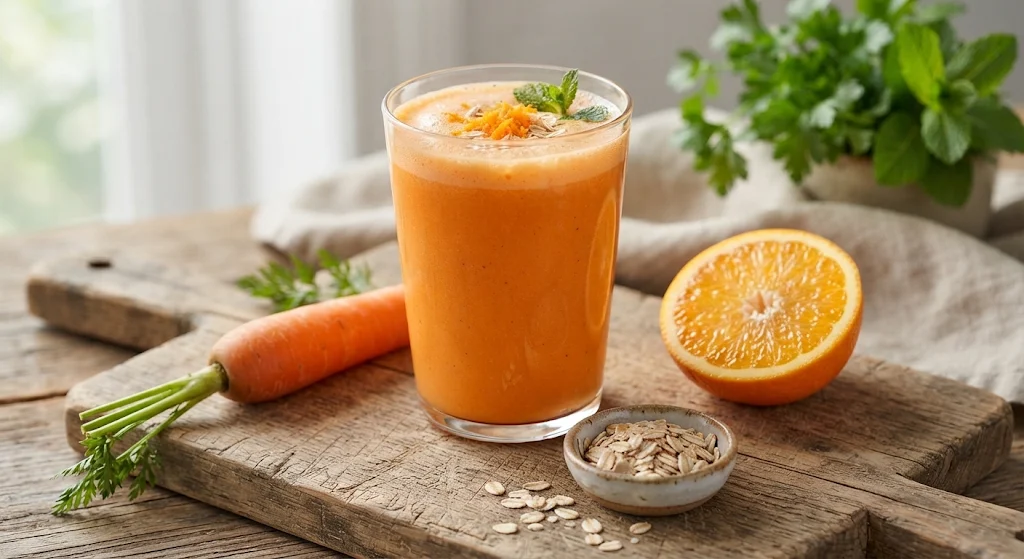
Few drinks look as cheerful as a glass of bright orange smoothie. This one is made from just three everyday ingredients: sweet carrots, juicy oranges, and rolled oats. It takes about five minutes to blend, needs no added sugar, and gives you a drink that is fresh, lightly sweet, and surprisingly filling.
This guide to the carrot orange oat smoothie covers the recipe, the nutrition of each ingredient, what “energy” really means in food terms, the benefits research supports, and the people who should be careful. Values are typical averages from USDA FoodData Central and are approximate. There are no tables, only short lists that are easy to read on a phone.
Why This Combination Works
Each ingredient plays a different role in the glass.
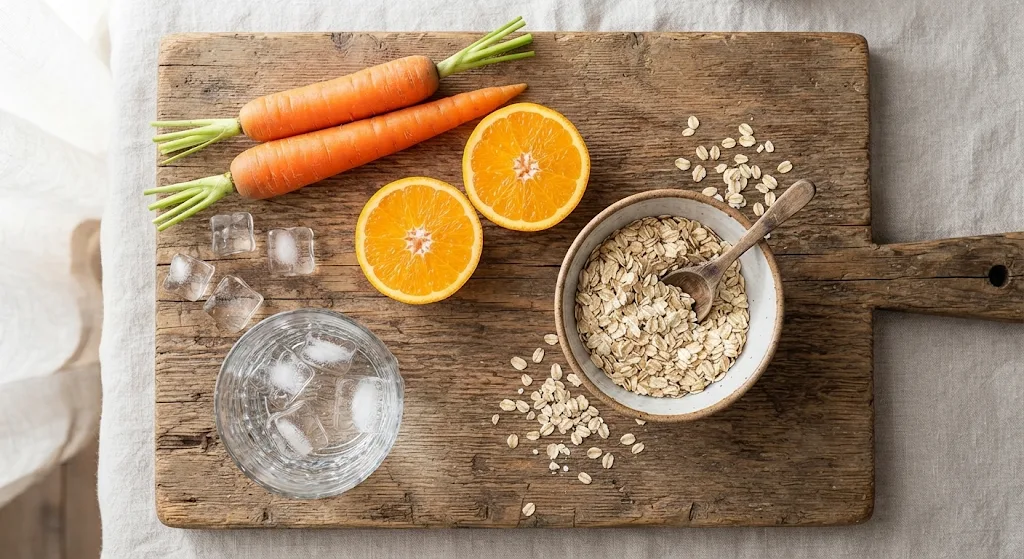
- Carrots add natural sweetness, fiber, potassium, and beta-carotene, the pigment that gives carrots their color and that the body converts into vitamin A.
- Oranges bring juice, vitamin C, and a fresh citrus flavor that hides the earthy taste of raw carrot.
- Rolled oats add body, slow-digesting carbohydrates, a little plant protein, and a special fiber called beta-glucan.
- Water or milk thins the blend and sets how light or creamy it is.
Together they create a drink that is more satisfying than plain juice, because the oats and the whole carrot keep the fiber in the glass.
What Does “Energy” Mean Here?
When people call a drink an “energy” recipe, the real source of energy is calories, mainly from carbohydrates. This smoothie provides them in a gentle way:
- Natural sugars from orange and carrot give a quick, readable source of fuel.
- Oat starch and fiber are digested more slowly, so the energy tends to arrive more steadily than from sugary drinks.
- B vitamins (found in oats and oranges) contribute to normal energy metabolism, meaning the way the body releases energy from food.
- Hydration matters too, since mild dehydration can make people feel tired.
This is not a stimulant drink like coffee. It does not make you feel “wired”. It simply gives your body fuel and nutrients in a convenient form.
Ingredients
Makes 2 glasses (about 300 ml each).
- 2 medium carrots (about 120 g), peeled and chopped
- 2 medium oranges (about 260 g of peeled fruit), seeds removed
- 40 g rolled oats (about ½ cup)
- 250 ml cold water, or milk of your choice
- 4 to 5 ice cubes
- Optional: 1 teaspoon honey, a small piece of fresh ginger, a pinch of cinnamon
- Optional for better absorption: 1 teaspoon olive oil or a few almonds
Nutrition by Ingredient
Here is what each ingredient contributes to the whole recipe.
Carrots (about 120 g, raw)
- Calories: about 50 kcal
- Protein: about 1.1 g
- Fiber: about 3.4 g
- Main value: beta-carotene (about 1,000 µg of vitamin A activity in total) and potassium (about 390 mg)
Oranges (2 medium, about 260 g)
- Calories: about 123 kcal
- Protein: about 2.4 g
- Fiber: about 6.2 g
- Main value: vitamin C (about 140 mg), folate, and potassium (about 470 mg)
Rolled oats (40 g, dry)
- Calories: about 152 kcal
- Protein: about 5.3 g
- Fiber: about 4.0 g
- Main value: slow-digesting carbohydrates, beta-glucan fiber, and magnesium
Water
- Calories: 0 kcal, with no protein or fiber
Total for the whole recipe
- Calories: about 325 kcal
- Protein: about 8.8 g
- Fiber: about 13.6 g
Per serving (half of the recipe)
- Calories: about 163 kcal
- Protein: about 4.4 g
- Fiber: about 6.8 g
- Vitamin C: about 70 mg
- Potassium: about 520 mg
If you use 250 ml of whole milk instead of water, add about 155 kcal and 8 g of protein to the whole recipe, or roughly 78 kcal and 4 g of protein per glass.
Values are approximate and vary by brand, size, and preparation. This information is for general reference and is not medical or dietary advice.
Protein, Carbohydrates, and Fats
Protein. About 4.4 g per glass with water. This is a modest amount, and the drink is not a high-protein option. For more protein, blend in plain yogurt, milk, or a spoonful of nut butter.
Carbohydrates. Most of the energy comes from carbohydrates, around 35 g per glass. Some are natural sugars from the fruit, and some are starch from the oats. Because the fruit is blended whole, the sugar comes packaged with fiber, which is different from drinking juice that has been strained.
Fats. Almost none (under 1 g per glass). This matters for one reason: beta-carotene is fat-soluble, so the body absorbs it better when a little fat is eaten at the same time. A teaspoon of olive oil, a few almonds, or a splash of whole milk helps.
Fiber: A Strong Point
At about 6.8 g per glass, this smoothie gives a useful share of the fiber that public health guidelines mention for adults, usually 25 to 30 g a day. It comes from three sources:
- Soluble fiber (beta-glucan) from oats, which contributes to normal digestion and is widely studied for its role in cholesterol levels.
- Pectin from oranges and carrots.
- Insoluble fiber from carrot and orange pulp, which adds bulk.
Blending breaks the food into small pieces but does not remove fiber. That is the biggest advantage over clear juice.
Vitamins and Minerals
- Vitamin A (from beta-carotene): contributes to normal vision, skin, and immune function. The body converts beta-carotene to vitamin A as needed.
- Vitamin C: contributes to normal immune function, collagen formation, and the protection of cells from oxidative stress. It also helps the absorption of plant iron.
- Potassium: contributes to normal muscle and nerve function and to normal blood pressure.
- Folate: contributes to normal cell division and blood formation.
- Magnesium and manganese (oats): contribute to normal energy metabolism and muscle function.
- Thiamin (B1): contributes to normal energy metabolism and nervous system function.
Potential Benefits
When it is part of a balanced diet, this smoothie may support:
- Steady morning fuel, thanks to oat carbohydrates and fiber.
- Nutrient variety, with vitamins A and C, potassium, and fiber in one drink.
- Digestive comfort, because fiber contributes to normal bowel function.
- Fullness, since oats and whole carrots make it more filling than juice.
- Heart-friendly eating, because oat beta-glucan, potassium, and fiber are nutrients that appear in heart-healthy patterns. Regulators in some countries allow a qualified statement about oat beta-glucan and cholesterol, usually based on about 3 g per day, which is more than this recipe provides.
- Hydration, because the drink is mostly water.
These are general benefits of nutritious foods, not treatments or guarantees. No single drink prevents or cures disease.
How to Make It
1. Prepare the ingredients
Peel the carrots and chop them into small pieces, about 1 cm. Peel the oranges, remove the white pith where you can, and take out the seeds.
2. Soften the oats
Soak the oats in the water for 5 to 10 minutes. This makes the smoothie smoother and less grainy, especially in a standard blender.
3. Blend
Put the carrots, oranges, oats with their water, and ice into the blender. Blend on high for 60 to 90 seconds, until completely smooth. Carrots take longer than soft fruit to break down.
4. Adjust and serve
Taste it. For more sweetness, add a teaspoon of honey, or use a sweeter orange. For a thinner drink, add a splash of water or milk. Pour into two glasses and serve right away.
Tips for the Best Texture and Flavor
Chop the carrots small. Large chunks leave gritty bits in the glass.
Steam if your blender is weak. Steaming the carrots for 5 minutes softens them and makes them easy to blend.
Use sweet oranges. Navel or Valencia oranges blend into a milder, sweeter drink than tart varieties.
Add a little fat. Beta-carotene is absorbed better with a small amount of fat, so a spoon of olive oil, almond butter, or whole milk is helpful.
Drink it fresh. Vitamin C breaks down slowly with air and light, so a freshly made smoothie is best.
Add spice for flavor. A slice of ginger or a pinch of cinnamon brightens the taste.
Easy Variations
- Creamy version: Add a ripe banana for a thicker, sweeter drink.
- Higher protein: Blend in ½ cup of plain yogurt or use milk instead of water.
- Tropical twist: Replace one orange with half a cup of mango or pineapple.
- Warm spice: Add a small pinch of turmeric and black pepper.
- Seeds: Stir in a teaspoon of chia or ground flaxseed.
- Dairy-free: Use water, oat milk, or almond milk.
- Lighter version: Use only one carrot and extra ice.
Storage and Make-Ahead Tips
- Refrigerator: Pour into a sealed jar filled to the top, to limit contact with air, and keep for up to 24 hours. It will thicken because the oats absorb liquid, so shake and add a splash of water.
- Freezer: Freeze in ice cube trays or freezer bags for up to 2 months. Blend with a little liquid before drinking.
- Smoothie packs: Pre-portion chopped carrot, orange segments, and oats in freezer bags. In the morning, add water and blend.
- Food safety: Wash and scrub carrots and the orange peel before peeling, because a knife can carry surface bacteria into the flesh. Don’t leave the smoothie at room temperature for more than 2 hours, especially if it contains milk or yogurt.
Who Should Be Careful
- Celiac disease or gluten sensitivity: Oats are often contaminated with wheat during processing. Choose oats labeled gluten-free.
- Kidney conditions: Carrots, oranges, and oats contain potassium and phosphorus, so people on restricted diets should ask a doctor or dietitian.
- Blood sugar concerns: The drink contains natural sugars and starch. People who monitor their blood sugar should seek personal guidance.
- Citrus sensitivity or acid reflux: Orange can trigger heartburn in some people.
- Digestive sensitivity: A sudden increase in fiber may cause bloating. Start with a smaller glass and increase gradually.
- Skin color change: Very high, long-term intake of carotene-rich foods can give the skin a harmless yellow-orange tint called carotenemia. It fades when intake is reduced.
- Allergies: Oats, citrus, and carrots can all cause allergic reactions in some people.
- Medications: If you take regular medication, ask a healthcare professional about changes in your diet.
Simple Ways to Enjoy It
- As a quick breakfast, with a boiled egg or a slice of whole grain toast.
- As a snack in the afternoon, in a smaller glass.
- After a light workout, with a banana or yogurt added.
- Poured into a bowl and topped with oats and seeds as a smoothie bowl.
- Frozen into popsicle molds for a refreshing treat.
Conclusion
The carrot orange oat smoothie is a simple, colorful drink. A glass gives you about 163 kcal, about 4 g of protein, close to 7 g of fiber, plenty of vitamin C, and beta-carotene from carrots. The “energy” it offers is real but ordinary: it comes from carbohydrates, steady-releasing oats, and good hydration, not from a special ingredient.
Chop the carrots small, soak the oats, add a touch of healthy fat, and drink it fresh. It works well as part of a varied diet, but it is not a medicine or a miracle drink, and people with certain conditions should check with a professional first.
Source reference: USDA FoodData Central. Values are typical averages and are approximate.
This article is for general information only and is not medical or dietary advice. Consult a qualified healthcare professional for personal guidance.
FAQ
1. How many calories are in a carrot orange oat smoothie?
About 163 kcal per glass when made with water, and about 325 kcal for the whole recipe. Using milk or adding banana or honey increases the total.
2. Does this smoothie really give you energy?
It provides energy in the form of calories from carbohydrates, with fiber that slows digestion. It does not contain stimulants like caffeine, and it is no substitute for sleep and balanced meals.
3. Is it better to blend the carrots and oranges or to juice them?
Blending keeps the fiber, which makes the drink more filling. Juicing removes most of the fiber and concentrates the sugar per glass. Both are fine, but blending usually fits better into a balanced diet.
4. Can I make it without oats?
Yes. Without oats the drink is lighter and lower in calories, but also lower in fiber and protein. You can use a banana, chia seeds, or yogurt for body instead.
5. Why does my smoothie taste too earthy or feel gritty?
Usually the carrots were too large or too cold, or the blending time was short. Chop them small, soak the oats, blend for at least 60 seconds, and use sweet oranges.