Do Horses Have Best Friends? The Science of Horse Bonds
Watch a herd for an afternoon and you may notice the same two horses standing side by side, again and again. Is that a real friendship? Researchers and horse owners suggest it is.
Yes, Horses Form Close Bonds
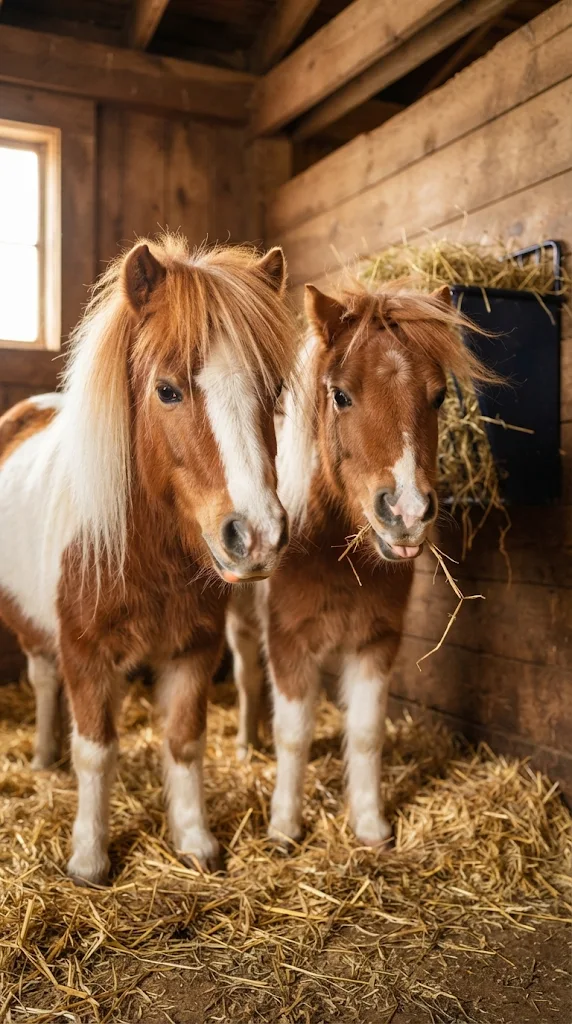
Horses are herd animals. Studies and everyday observation show that many horses prefer certain companions, spending more time near them and grooming them. These “preferred partners” often stay together for years.
Signs of a Horse Friendship
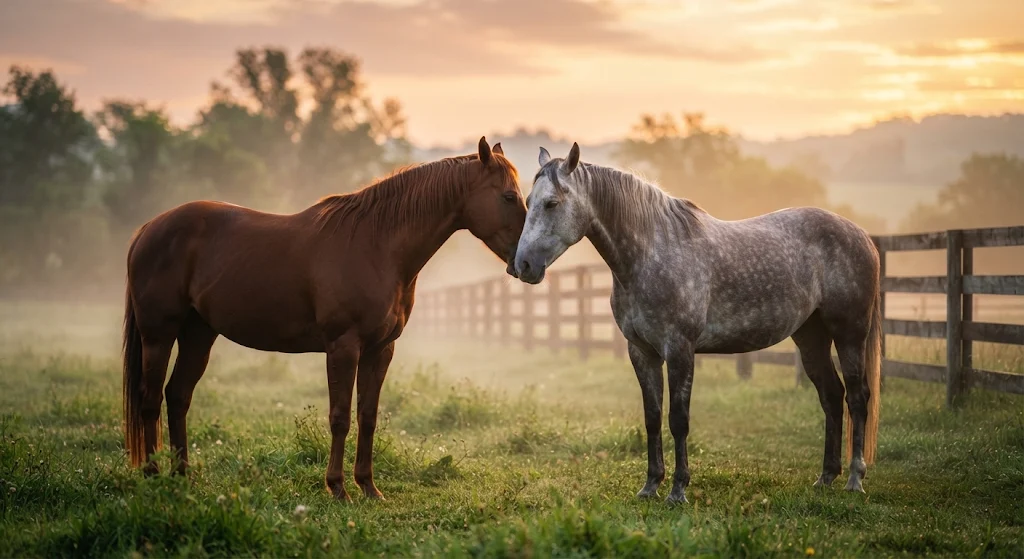
- Mutual grooming: two horses stand facing each other, scratching each other’s withers and neck with their teeth. It feels good and strengthens the bond.
- Standing together: staying close while grazing or resting.
- Head to tail: standing in opposite directions so each tail swishes flies from the other’s face.
- Calling out when separated.
- Playing together: gentle chasing or “mock fights.”
- Sharing space in a peaceful way.
Why Friendship Matters
For a prey animal, company equals safety. A horse with a trusted friend is often calmer and more relaxed. Many people notice that horses seem less stressed, eat better, and settle more easily when a familiar companion is nearby.
Herd Roles
Most herds have a social order, with some horses more dominant and others more submissive. Friendship doesn’t mean there is no hierarchy, but friends often tolerate each other’s space and share resources more peacefully.
When Separation Is Hard
A horse separated from its buddy may:
- Call loudly and pace
- Sweat or refuse feed
- Become hard to handle
- Try to escape the fence
This is called separation anxiety or being “herd-bound” or “buddy-sour.” It is not misbehavior; it is stress.
Helping Your Horse Cope
- Gradual separation. Practice short, easy periods apart, and slowly extend them.
- Companions in sight. Keep horses where they can see or smell each other.
- Positive routines. Feed or groom the horse calmly when it is alone.
- Avoid sudden big changes like moving one horse away without preparation.
- Consult a trainer or vet if the anxiety is severe.
Introducing a New Horse
- Start with fence-line contact so they can meet safely.
- Watch for kicking, biting, and chasing.
- Introduce them gradually, in a large, safe space.
- Remove shoes on the hind feet if recommended by your vet or farrier.
- Provide enough feed stations and water to prevent competition.
What if a Horse Lives Alone?
Horses are social, and a lone horse may feel stressed. Companionship can also come from other species, like a goat, donkey, or pony. Ask your veterinarian or an experienced horse professional about the best arrangement for your horse.
Conclusion
Horses do form real, lasting friendships, expressed through grooming, standing close, and caring for each other. Understanding these bonds helps you manage them kindly, from turnout to training.
FAQ
1. Why do horses groom each other?
It feels good, reaches itchy spots, and strengthens social bonds.
2. Can a horse be lonely?
Yes. Horses are social, and many show stress without companions.
3. How do I introduce a new horse safely?
Start with fence-line contact, watch their interactions, and go slowly.