Do Horses Like Carrots? Benefits, Limits, and a Treat Recipe
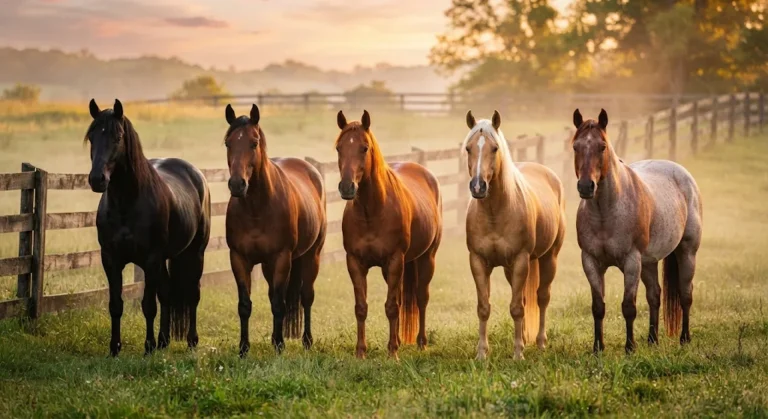
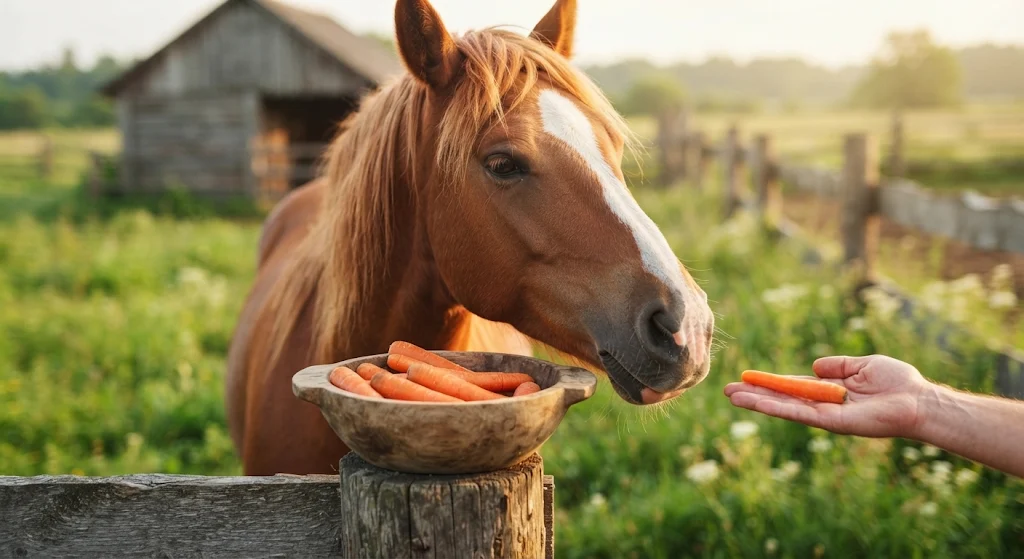
Picture a horse leaning over a fence, ears forward, nostrils flaring at the sight of an orange stick in your hand. Carrots and horses are so closely linked in popular culture that it feels like a natural law. But is it true? Do horses really like carrots, and are carrots actually good for them?
The short answer is yes to the first and “in moderation” to the second. This guide explains why most horses love carrots, how to feed them safely, how many are reasonable, and how to bake a simple homemade carrot treat. All nutrition values are typical averages from USDA FoodData Central and are approximate. There are no tables, only short lists that are easy to read on a phone.
Do Horses Like Carrots?
Most horses do, yes. Many will happily follow a person with a bucket of carrots across a field. But it is not universal. Some horses are picky and prefer apples, peppermints, or nothing at all, and some need time to learn that a carrot is food.
Here is an honest point worth knowing: horses did not evolve eating carrots. They are grazing animals built for grass and hay, eating small amounts almost all day long. Carrots became popular because they are cheap, easy to find, easy to store, and horses enjoy them. They are a treat, not a dietary need.
Why Do Horses Love Carrots?
Several things make carrots appealing.
- Sweetness. Horses can taste sweet flavors, and carrots contain natural sugars. Many horses show a clear preference for sweet foods.
- Crunch. The crisp texture is satisfying to chew and different from hay.
- Smell. Fresh carrots have a strong, fresh scent that horses notice from a distance.
- Learned association. Horses are good at learning. If carrots appear every time you arrive, the horse connects you with a reward and becomes excited.
- Attention and bonding. Treats are part of a relationship. Many horses enjoy the interaction as much as the carrot itself.
Nutrition Facts of Carrots
Here is what a carrot offers, per 100 g of raw carrot:
- Calories: about 41 kcal
- Protein: about 0.9 g
- Carbohydrates: about 9.6 g
- Natural sugars: about 4.7 g
- Fiber: about 2.8 g
- Fat: about 0.2 g
- Water: about 88 percent
- Potassium: about 320 mg
- Beta-carotene: about 8,300 µg (the body converts it into vitamin A)
A medium carrot weighs about 60 g, so it provides roughly 25 kcal.
Are Carrots Good for Horses?
Carrots can be a healthy treat for most horses. They are low in calories compared with many commercial treats, high in water, and provide beta-carotene, potassium, and a little fiber. They also have no added ingredients, unlike many packaged treats that include extra sugar, colors, or flavors.
That said, a few points matter.
- Carrots do not replace forage. Hay, pasture, and a balanced ration meet a horse’s nutritional needs. Carrots add very little to that.
- They contain sugar. The amount is moderate, but horses with insulin resistance, equine metabolic syndrome, Cushing’s disease (PPID), or a history of laminitis may need to limit or avoid sweet treats. Ask your veterinarian first.
- Overfeeding upsets the diet. Too many treats can reduce appetite for hay and may cause digestive upset.
How Many Carrots Can a Horse Eat?
There is no single rule, because it depends on the horse’s size, workload, and health. As a general guideline, treats should make up only a small fraction of the diet.
- For an average healthy adult horse, one to three medium carrots a day is a common amount for occasional treating.
- Spread them out rather than feeding many at once.
- Smaller horses and ponies need less.
- Horses with metabolic conditions may need none at all.
- Introduce carrots gradually if the horse is not used to them.
If you are unsure, your veterinarian or an equine nutritionist can give personal advice.
How to Feed Carrots Safely
Wash them well. Remove soil and any residue. Peeling is not necessary.
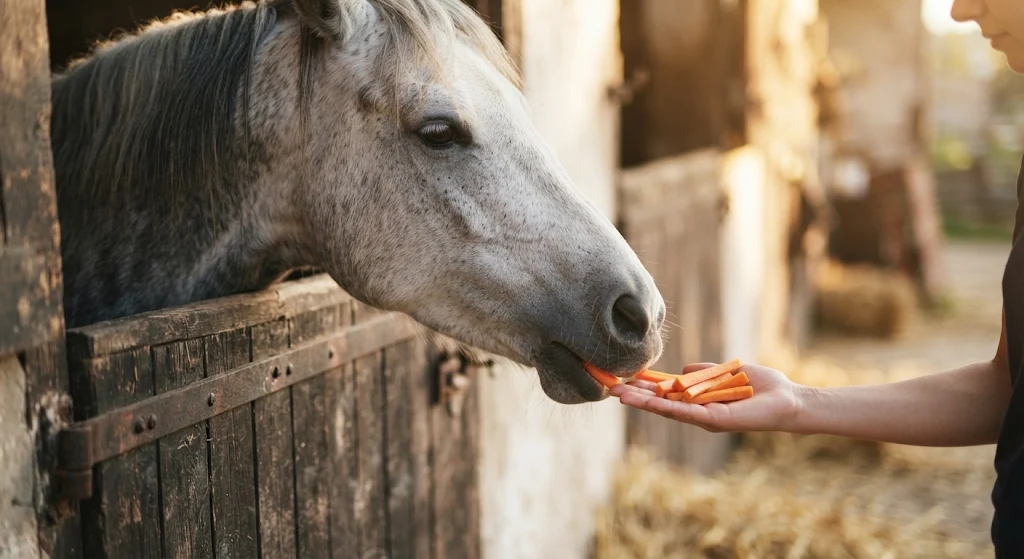
Cut them lengthwise into sticks or coins. Horses can choke on large round pieces that get stuck in the throat. Long, thin sticks are safer than thick chunks. Avoid giving whole thick carrots to horses that gulp their food.
Check freshness. Throw away carrots that are moldy, slimy, or very soft.
Don’t feed from your fingertips. Offer treats on a flat, open palm with your fingers together, or put them in a bucket. This lowers the risk of an accidental nip and avoids teaching the horse to expect food from your hand.
Keep the horse calm. Avoid feeding a very excited horse over a fence, since it may snatch at your hand.
Never feed frozen hard carrots whole. Hard, frozen pieces can hurt the mouth or cause choking.
Watch for choking. Signs include coughing, saliva or food coming from the nostrils, and stretching the neck. Call a veterinarian immediately.
Foods Horses Should Not Eat
While we are talking about treats, these are common foods that are unsafe:
- Avocado: contains persin, which is toxic to horses.
- Chocolate: contains theobromine, which is dangerous.
- Onions and garlic: can damage red blood cells in large amounts.
- Potatoes and other raw nightshades: can be toxic.
- Bread and sugary baked goods in large amounts: can disturb digestion.
- Lawn clippings: ferment quickly and can cause colic.
- Fruit pits and cores in quantity: a choking hazard, and some pits contain compounds that are harmful.
If you are not sure whether a food is safe, do not feed it, and ask your veterinarian.
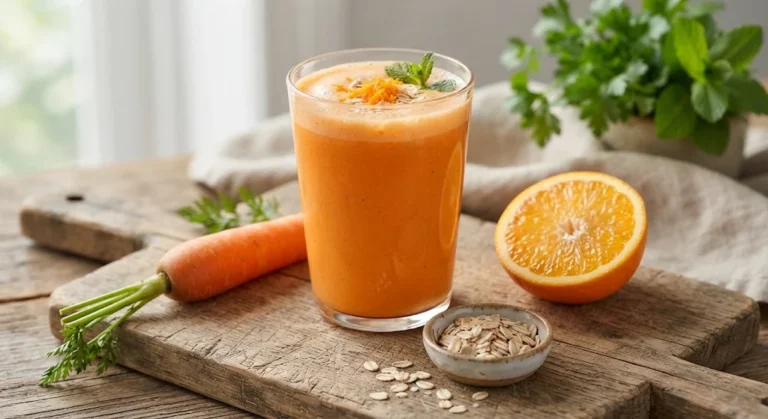
Easy Homemade Carrot Horse Treats
These baked treats are simple, free of added refined sugar, and use ingredients that are generally considered safe for horses. Makes about 20 small treats.
Ingredients:
- 1 cup (about 110 g) finely grated carrot (about 2 medium carrots)
- 1½ cups (135 g) plain rolled oats
- ½ cup (about 120 g) unsweetened applesauce
- 1 tablespoon molasses (optional, for extra aroma)
- 1 teaspoon ground cinnamon (optional)
- 2 to 4 tablespoons water, only if needed
Approximate nutrition by ingredient (whole recipe):
- Grated carrot (110 g): about 45 kcal
- Rolled oats (135 g): about 525 kcal
- Unsweetened applesauce (120 g): about 50 kcal
- Molasses (1 tablespoon): about 58 kcal
- Total: about 680 kcal, so roughly 34 kcal per treat
Values are approximate and vary by brand and size. This is general information, not veterinary advice.
Steps:
- Heat the oven to 325°F (160°C). Line a baking tray with parchment.
- In a large bowl, mix the grated carrot, oats, applesauce, molasses, and cinnamon until the mixture holds together when pressed. If it is too dry, add water a tablespoon at a time.
- Scoop level tablespoons of the mixture onto the tray, press them into small, flat rounds about 1 cm thick, and space them slightly apart.
- Bake for 25 to 30 minutes, until the treats are firm and lightly golden at the edges.
- Turn off the oven, open the door slightly, and let the treats dry inside for another 20 minutes.
- Cool completely before feeding. Treats should be firm and not sticky.
Tips:
- Keep them small. Small treats reduce choking risk and make portions easy to control.
- Check the oats. Use plain oats, with no flavoring, sugar, or added salt.
- Skip the molasses for horses that should avoid extra sugar.
- Dry thoroughly. Moisture makes treats spoil faster.
- Feed by the piece. Count the treats, and treat them as part of the daily allowance.
Variations
- Apple and carrot: Replace half the carrot with finely grated, cored apple. Remove all seeds.
- Pumpkin version: Use plain pumpkin purée in place of applesauce.
- Frozen summer treat: Blend carrot and water, freeze in ice cube trays, and serve as small cubes (not rock-hard blocks) on hot days.
- Carrot sticks only: Fresh, cut carrots are a perfectly good and simpler option.
Storage
- Fresh carrots: Keep in the refrigerator for 3 to 4 weeks, or in a cool, dark place for shorter periods. Discard any that are soft or moldy.
- Baked treats: Store in an airtight container at room temperature for up to 3 to 5 days, or in the refrigerator for up to 1 week.
- Freezer: Freeze for up to 2 months and thaw at room temperature before feeding.
- Food safety: Don’t feed moldy or spoiled treats. Keep treats dry, and clean the storage container regularly.
Who Should Be Careful
- Horses with metabolic conditions (insulin resistance, EMS, PPID, laminitis history): ask a veterinarian before feeding any sweet treat.
- Horses with dental problems or poor chewing: grate or slice the carrots very thinly.
- Horses that gulp food: use small pieces and feed slowly.
- Young or senior horses: their needs differ, so ask for advice.
- Competition horses: check the rules of the event on what may be fed.
- Children feeding horses: supervise carefully, and teach the flat-hand method.
Simple Ways to Use Carrots with Your Horse
- As a reward during training, in small pieces.
- Sliced into a slow-feeder or a treat ball to encourage natural foraging.
- Frozen cubes on a hot day.
- Mixed into a bucket for a special occasion, like a birthday.
- As a calm way to build trust with a nervous horse, feeding from a bucket.
Conclusion
So, do horses like carrots? Most do, thanks to their sweet taste, crunchy texture, and the bond that comes with treats. Carrots are a pleasant, low-calorie snack with beta-carotene, potassium, and water, but they are not a nutritional necessity, and a horse’s diet should still be built on forage.
Cut carrots lengthwise, feed them in small amounts, avoid foods that are toxic to horses, and ask your veterinarian before giving sweet treats to horses with metabolic problems. A simple homemade carrot and oat treat can make the routine even more special.
Source reference: USDA FoodData Central. Values are typical averages and are approximate.
This article is for general information only and is not veterinary advice. Consult a qualified equine veterinarian for personal guidance about your horse.
FAQ
1. Do all horses like carrots?
Most do, but not all. Some horses are picky or need time to get used to the taste and texture. You can try apples or other safe treats if a horse refuses carrots.
2. How many carrots can I give my horse a day?
For an average healthy adult horse, one to three medium carrots is a common amount for occasional treating. Horses with metabolic conditions may need less or none, so ask your veterinarian.
3. Can horses choke on carrots?
Yes, especially on large round pieces. Cut carrots lengthwise into sticks or thin coins, and feed slowly. If the horse coughs or food comes from its nostrils, call a veterinarian immediately.
4. Are carrots good for horses with laminitis or insulin resistance?
Carrots contain natural sugar, so some veterinarians advise limiting or avoiding them for these horses. Always ask your vet before giving any sweet treat.
5. Can I give my horse the carrot tops?
Many horses eat carrot tops without trouble, but they should be clean and fresh, and fed in small amounts. If you are unsure or the horse has health issues, ask your veterinarian.