
Coffee Benefits: Morning Energy, Caffeine, and Safe Limits
For millions of people, the day does not really start until the first cup of coffee. The smell, the warmth, and the small lift in alertness have become a daily ritual around the world. But beyond habit, what does coffee actually do in the body? Is it good for you? And why does it feel so helpful in the morning?
This guide covers the coffee benefits that research supports, the science behind the morning boost, nutrition and caffeine numbers, safe limits, and the situations where coffee is not a good idea. Values are typical averages from USDA FoodData Central and are approximate. No tables are used, so everything is easy to read on a phone.
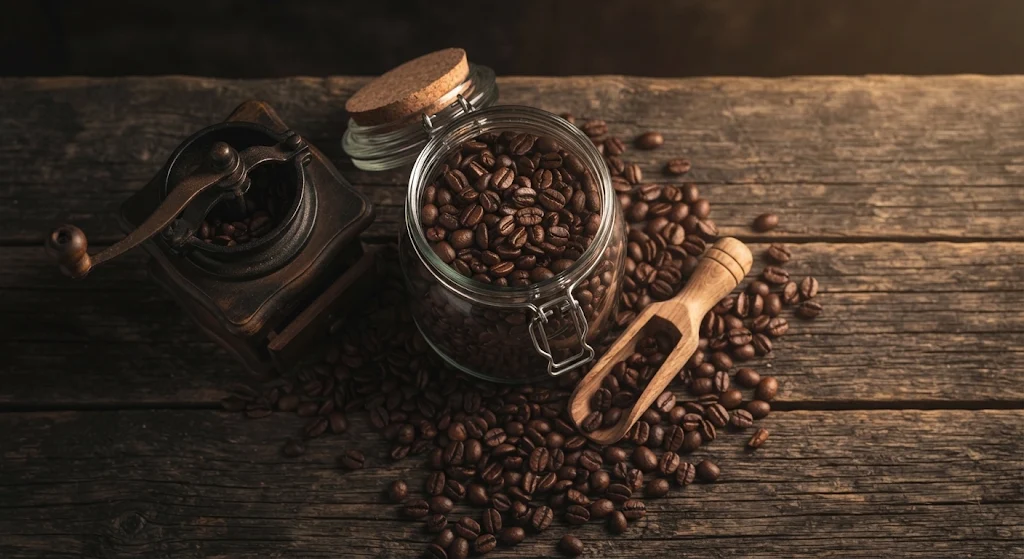
What Is in a Cup of Coffee?
Coffee is made from roasted seeds of the Coffea plant. It contains hundreds of natural compounds, but the most important are:
- Caffeine: a natural stimulant that affects the nervous system.
- Chlorogenic acids: plant antioxidants found in green and lightly roasted coffee.
- Small amounts of minerals and B vitamins: such as potassium, magnesium, and riboflavin.
Black coffee is almost calorie-free. What you add (sugar, syrup, milk, cream) is what changes the nutrition.
Nutrition Facts
Brewed black coffee (per 100 ml)
- Calories: about 1 kcal
- Protein: about 0.1 g
- Carbohydrates: 0 g
- Fat: 0 g
- Caffeine: about 40 mg
- Potassium: about 49 mg
- Magnesium: about 3 mg
One cup of brewed coffee (about 240 ml)
- Calories: about 2 kcal
- Caffeine: about 95 mg (usually 80 to 120 mg)
- Potassium: about 116 mg
- Riboflavin (B2): about 0.18 mg
- Niacin (B3): about 0.5 mg
One espresso shot (about 30 ml)
- Calories: about 1 kcal
- Caffeine: about 63 mg
- Protein, carbs, fat: close to 0 g
Common additions
- 1 teaspoon of sugar: about 16 kcal
- 1 tablespoon of whole milk: about 9 kcal
- 1 tablespoon of heavy cream: about 51 kcal
Caffeine varies a lot by bean, roast, grind, brewing method, and cup size.
Espresso vs Brewed Coffee
People often assume espresso is stronger in every way. It is more concentrated, but a serving is much smaller.
- Per milliliter: espresso has far more caffeine (about 210 mg per 100 ml, against about 40 mg for brewed coffee).
- Per cup: one espresso shot (about 63 mg) has less caffeine than a regular mug of brewed coffee (about 95 mg).
- Taste and texture: espresso is thick and intense, topped with a golden crema. Brewed coffee is lighter and easier to sip slowly.
- Calories: both are near zero until milk and sugar are added.
A double espresso (about 126 mg) can have more caffeine than one mug of filter coffee.
How Coffee Gives You Morning Energy
The feeling of “waking up” with coffee has a clear explanation.
1. Caffeine blocks adenosine. During the day, a chemical called adenosine builds up in the brain and gradually makes you feel sleepy. Caffeine has a similar shape and attaches to the same receptors, so adenosine cannot do its job. You feel more alert, even though the sleep pressure is still there.
2. It works fast. Caffeine is absorbed within about 15 to 45 minutes, and blood levels usually peak around 30 to 60 minutes after drinking.
3. It can improve attention and reaction time. Controlled studies show that moderate doses can improve alertness, concentration, and reaction speed, especially in people who are tired.
4. It does not replace sleep. Caffeine masks tiredness; it does not remove it. If you regularly sleep too little, coffee covers the problem rather than solving it.
5. Tolerance develops. Regular drinkers get a smaller boost over time, and skipping a cup can cause headaches or irritability for a day or two.
What About Waiting Before Your First Cup?
You may have heard that coffee should wait 60 to 90 minutes after waking, because of morning cortisol. This idea is popular, but the scientific support is limited. If a cup shortly after waking works for you, there is no strong evidence that it is harmful. A more reliable rule is about timing in the afternoon: caffeine has a half-life of roughly 5 hours (between 3 and 7 for most adults), so a late cup can interfere with sleep. Many people do better stopping about 6 to 8 hours before bedtime.
Coffee Benefits: What Research Suggests
The evidence for coffee is broader than for many foods, but most of the long-term findings come from observational studies, which show associations and not proof of cause.
Alertness and focus. This is the best-established benefit. Moderate caffeine doses improve alertness and short-term attention.
Mood. Some studies link moderate coffee drinking with a lower risk of depression, and caffeine can give a short-term mood lift. The relationship is not simple, and too much caffeine can worsen anxiety.
Physical performance. Caffeine taken before exercise (often 3 to 6 mg per kg of body weight in studies) has been shown to modestly improve endurance and reduce perceived effort.
Type 2 diabetes. Many large studies associate regular coffee intake, including decaf, with a lower risk of developing type 2 diabetes.
Liver health. Population studies link coffee drinking with a lower risk of liver conditions such as fibrosis and liver cancer.
Heart health. For most healthy adults, moderate intake (about 3 to 4 cups a day) has not been linked to higher cardiovascular risk, and some studies suggest a slightly lower risk. Unfiltered coffee, such as boiled or French press, can raise LDL cholesterol in some people.
Brain health. Some observational research associates coffee with a lower risk of Parkinson’s disease and possibly Alzheimer’s disease. Scientists still cannot say that coffee prevents either.
Antioxidants. Coffee is one of the biggest sources of antioxidants in many people’s diets, because of how much of it they drink.
These are associations and general benefits, not treatments or guarantees. Coffee is not a medicine.
How Much Coffee Is Safe?
- Healthy adults: Health agencies such as the FDA and EFSA commonly state that up to about 400 mg of caffeine per day (roughly 4 cups of brewed coffee) is not generally associated with negative effects.
- Pregnancy: Many authorities advise limiting caffeine to about 200 mg per day (around 2 small cups). Ask your doctor for personal advice.
- Children and teenagers: Health organizations recommend avoiding or strictly limiting caffeine.
- Single doses: Around 200 mg in one sitting is a level many sources suggest not exceeding.
Sensitivity differs widely. Some people feel jittery after one cup, while others handle several without issues. Genetics and regular intake both play a role.
Side Effects and Who Should Be Careful
- Sleep problems: Late-day coffee can delay sleep and reduce sleep quality.
- Anxiety and jitters: High doses can cause nervousness, shaking, or a racing heart, especially in people prone to anxiety.
- Reflux and stomach upset: Coffee can aggravate heartburn or irritate the stomach in sensitive people.
- Heart rhythm concerns and high blood pressure: People with these conditions should ask a doctor about their limit.
- Medications: Caffeine can interact with some drugs, including certain antibiotics, thyroid medication, and stimulants. Check with a pharmacist.
- Iron absorption: Coffee with a meal can reduce plant iron absorption. People at risk of low iron may prefer to drink it between meals.
- Dependence and withdrawal: Stopping suddenly can cause headaches, tiredness, and irritability.
- Hidden calories: Flavored lattes and sweetened drinks can contain hundreds of calories and a lot of sugar. They are a different product from black coffee.
How to Brew a Better Cup at Home
Basic filter coffee (makes 1 large mug):
- 15 g freshly ground coffee (about 2 tablespoons)
- 250 ml water, just off the boil (about 92 to 96°C / 197 to 205°F)
Steps:
- Use a medium grind and a clean filter.
- Wet the filter and grounds with a small amount of water and wait 30 seconds so the coffee can release gas.
- Pour the remaining water slowly in circles over 2 to 3 minutes.
- Serve right away.
Tips for flavor:
- Grind fresh. Ground coffee loses aroma within days.
- Use good water. Water makes up about 98 percent of the cup.
- Don’t use boiling water. Slightly cooler water avoids bitterness.
- Keep equipment clean. Old oils make coffee taste stale.
- Adjust gradually. Bitter coffee means over-extracted (finer grind or longer time); sour coffee means under-extracted.
Storage and Safety
- Beans: Store in an airtight, opaque container at room temperature, away from light, heat, and moisture. Use within 2 to 4 weeks of roasting for best flavor.
- Ground coffee: Use within about 2 weeks of opening.
- Freezing: Beans can be frozen in small airtight portions for a few months to extend freshness.
- Brewed coffee: Best within about 30 minutes. Black coffee can be refrigerated for a day or two for iced coffee. Coffee with milk should be refrigerated and consumed within a day.
- Food safety: Clean the machine and equipment regularly to prevent mold and buildup.
Simple Ways to Enjoy Coffee
- Black, with a small piece of dark chocolate on the side.
- With a splash of milk or a plant milk, without sugar.
- Cold brew over ice with a little cinnamon.
- As an Americano: espresso topped with hot water for a longer drink.
- With breakfast, such as oats, eggs, or yogurt and fruit, to avoid drinking it on an empty stomach if it upsets you.
Conclusion
The coffee benefits are real but should be kept in proportion. Caffeine reliably improves alertness and focus, which explains the morning lift, and long-term research links moderate intake with several favorable health associations. Black coffee has almost no calories and provides small amounts of potassium, magnesium, and B vitamins.
At the same time, coffee is not for everyone and not a substitute for sleep. Stay within about 400 mg of caffeine per day if you are a healthy adult, avoid late-day cups, and be careful during pregnancy, with anxiety, reflux, heart conditions, or certain medications. Treat it as an enjoyable habit, not a health treatment.
Source reference: USDA FoodData Central, FDA and EFSA caffeine guidance. Values are typical averages and are approximate.
This article is for general information only and is not medical or dietary advice. Consult a qualified healthcare professional for personal guidance.
FAQ
1. How much caffeine is in a cup of coffee?
A regular 240 ml cup of brewed coffee has about 95 mg of caffeine, usually between 80 and 120 mg. A single espresso shot has about 63 mg.
2. How many cups of coffee a day is safe?
Most health agencies say up to about 400 mg of caffeine daily, roughly 4 cups of brewed coffee, is not generally associated with negative effects for healthy adults. Pregnant people are usually advised to stay near 200 mg.
3. Is coffee good for you on an empty stomach?
For many people it is fine, but it can cause stomach discomfort or reflux in others. If it bothers you, drink it with food.
4. Why do I feel sleepy again after coffee?
Caffeine blocks the feeling of tiredness for a few hours without removing it. As the effect wears off, the sleepiness can return, especially if you have not slept enough.
5. Is decaf coffee healthy?
Decaf contains most of the same plant compounds and only a small amount of caffeine (about 2 to 5 mg per cup). It is a good option for people who are sensitive to caffeine.