Visible Veins on Hands and Arms: Causes and When to Worry
Many people glance at their hands or forearms one day and think the same thing: my veins look more obvious than they used to. Maybe they appear after a workout, during a hot summer, or just as the years go by. It can be unsettling, especially when the veins look blue, raised, or ropey.
The good news is that visible veins on hands and arms are very often a normal feature of the body. This guide explains why veins show, which everyday factors make them more noticeable, how they differ from varicose veins, and which signs mean it is time to speak with a doctor. It is general information, not medical advice.
What Are Veins, and Why Can You See Them?
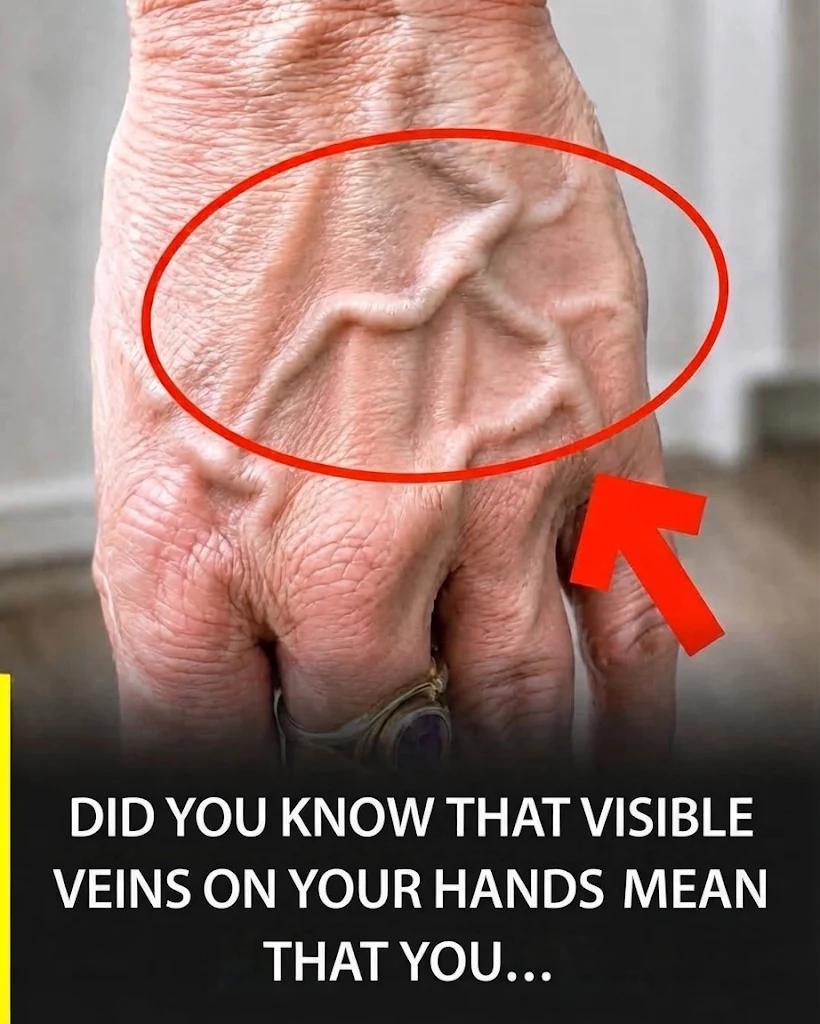
Veins carry blood back to the heart. In the hands and forearms, many of them sit close to the surface of the skin, which is one reason they can be seen at all. Whether a person can see them clearly depends on skin thickness, skin tone, body fat, hydration, temperature, muscle size, and genetics. acibademinternational
The bluish color is mostly an effect of light and skin, not the true color of the blood. Blood in veins is dark red, but skin scatters and absorbs light in a way that makes shallow veins look blue or green.
The Most Common Reasons Veins Look More Prominent
Low body fat or a lean build
Fat under the skin works like a cushion that hides what lies beneath. Fat on the hands helps make veins less visible, so people who are underweight or have thin hands often notice more prominent veins. That is why veins tend to stand out in lean, active people and endurance athletes. medicalnewstoday
Exercise and muscle size
During physical activity, more blood flows to the working muscles. Exercise increases blood flow and can temporarily enlarge veins, particularly in the arms and hands, and people with more muscle definition may also notice veins more. This look is often called vascularity. It usually fades after the body cools down and the blood flow settles. Heavy lifting, gripping, or work that uses the hands all day can have a similar effect. acibademinternational
Heat
Warm weather, hot showers, saunas, and hot rooms all widen blood vessels near the skin so the body can lose heat. Heat causes the blood vessels near the skin to widen, which can make veins look larger and darker. In cold conditions the opposite happens: vessels tighten and veins look flatter. Many people notice that their veins “disappear” in winter and return in summer. acibademinternational
Aging skin
Skin changes over the years. As people age, skin becomes thinner and loses elasticity, which makes veins more prominent, especially on the hands and forearms. Years of sun exposure can add to the effect. The back of the hand is one of the first places people notice it, because the skin there is thin and has little fat. blogspot
Genetics and skin tone
Some families simply have more visible veins. Inherited traits such as fair skin, naturally thin skin, a lower body fat percentage, or a family history of prominent veins can all make veins easier to see. If your parents or siblings have the same look, it is probably part of your natural pattern. blogspot
Weight loss
Losing weight removes some of the fat that covers the veins, so they can become visible even if nothing is wrong with the circulation itself.
Pregnancy and hormonal changes
Pregnancy is listed among the factors that can make veins more visible. Blood volume increases during pregnancy, and hormones relax vessel walls, so changes in the hands, arms, and legs are common and usually temporary. manhattanmedicalarts
What About Dehydration?
You may read that dehydration makes veins bulge. The evidence for this is weak, and the opposite is often true: when someone is low on fluids, veins can become harder to find, which is why nurses encourage patients to drink water before a blood draw. Staying well hydrated is good for general health, but it is not a reliable way to hide or reveal veins.
Vascularity vs. Varicose Veins
Many people mix these two up, so it helps to know the difference.
- Vascularity or visible veins usually describes veins that show clearly in the arms and hands. It is generally benign and reflects fitness, genetic predisposition, or environmental factors such as temperature. centerforvein
- Varicose veins are enlarged, twisted veins, most often in the legs. They are caused by weak valves that let blood pool. Unlike simple vascularity, varicose veins can lead to more serious problems, such as skin ulcers, bleeding, or deep vein thrombosis. They rarely appear on the arms and hands. centerforvein
If you have visible veins on your hands but your legs look and feel normal, vascularity is much more likely.
Signs That Usually Mean “Normal”
- The veins have always been visible, or they became visible gradually.
- Both arms look similar. If both arms have always shown veins, that pattern is more likely to be normal. acibademinternational
- They become more obvious when it is warm, after exercise, or when your hands hang down, and less obvious when the arms are raised or the weather is cold.
- There is no pain, swelling, redness, or skin change.
When to See a Doctor
Prominent veins are most often harmless, but it is sensible to get checked if you notice something unusual. Consider speaking with a healthcare professional if:
- The change is sudden. A new bulge or a quick change in the size or color of a vein deserves attention.
- One arm looks different from the other. Asymmetry is worth mentioning.
- There is pain, tenderness, warmth, or redness around a vein.
- There is swelling in the arm or hand, or the skin looks discolored.
- The veins are lumpy, hard, or cord-like, or a vein feels hard to the touch.
- You have other symptoms, such as heavy or aching limbs, numbness, or persistent cold hands.
Urgent symptoms include chest pain, shortness of breath, severe arm swelling, or fever with a painful vein. Seek emergency care if these appear. acibademinternational
If you have a history of blood clots, a medical device or catheter in the arm, or you have recently had an injection or IV in that area, mention it. Only a medical examination, and sometimes an ultrasound, can tell what is going on.
What You Can Do About Visible Veins
If the veins are harmless but bother you, there are a few simple points to know.
Accept that it is normal. For many people, understanding that it is a natural feature is enough.
Avoid heat when you can. Cool showers and shade can reduce temporary prominence.
Raise your hands. Lifting your arms above heart level for a few minutes can make veins look flatter, because blood drains more easily.
Protect your skin from the sun. Sunscreen helps slow the thinning and damage that make veins more obvious with age.
Moisturize. Well-hydrated skin looks smoother and healthier, though it will not change the veins themselves.
Keep moving. Regular exercise and a healthy lifestyle support the circulation as a whole.
Be careful with “quick fixes.” Don’t try to treat prominent veins at home with unproven methods. Experts advise seeing a dermatologist or vascular specialist before pursuing any cosmetic procedure. Options exist, but they involve risks and are not necessary for most people. harvard
Common Myths About Visible Veins
“Visible veins mean poor circulation.” Not by themselves. Many healthy, active people have very visible veins.
“Bulging veins on the arms are always a medical problem.” They are typically a cosmetic issue, although in less common cases they may point to an underlying medical condition. medicalnewstoday
“Only older people have them.” Young, lean, and athletic people often show veins clearly.
“Drinking more water will make them disappear.” There is no solid evidence for that.
“Exercise damages your veins.” Normal exercise is good for circulation. The temporary change in how veins look is not a sign of damage.
Conclusion
Visible veins on hands and arms usually reflect everyday things: how thin the skin is, how much body fat and muscle you have, the temperature, age, genetics, and recent activity. Most of the time they are harmless and a normal part of how people look.
Pay attention to the pattern. Gradual, symmetrical, painless changes are generally reassuring, while sudden changes, pain, swelling, redness, or other symptoms call for a medical opinion. When in doubt, a quick check with a healthcare professional is the best way to put your mind at ease.
This article is for general information only and is not medical advice. Consult a qualified healthcare professional for personal guidance.
FAQ
1. Are visible veins on the hands normal?
In most cases, yes. They are commonly linked to thin skin, low body fat, exercise, heat, age, and genetics. If they appear suddenly or come with pain or swelling, ask a doctor.
2. Why do my veins pop out when I exercise?
Exercise increases blood flow, and the veins can enlarge temporarily. Muscle growth and low body fat can make this look more pronounced. It generally settles after you cool down.
3. Do visible veins mean I have varicose veins?
Not usually. Varicose veins are enlarged, twisted veins that most often affect the legs. Visible veins on the hands and arms are usually just prominent normal veins.
4. Why are my veins more visible in summer?
Heat widens the blood vessels near the skin so the body can cool down, which makes veins look larger and darker. In cold weather they tend to look less obvious.
5. When should I worry about veins in my arms?
See a healthcare professional if the change is sudden, one arm looks different from the other, or there is pain, swelling, redness, or hardness. Seek urgent care for chest pain, shortness of breath, severe arm swelling, or fever with a painful vein.