
Plant Based Protein Sources: 15 Essential Foods for Real Meals
If you’ve ever stood in the kitchen at 6 p.m. wondering whether a bowl of beans really counts as dinner, you’re not alone. I’ve tested my way through a long list of plant based protein sources over the years — some were bland, some were brilliant, and a few changed how I cook. So here’s the honest, lived-in version: what works, what to skip, and how to make plant protein food taste like something you’d actually crave.
Table of Contents
Let’s start with the simplest truth. You don’t need to be vegan to eat more plant based protein foods. You just need a handful of dependable ingredients and a little patience at the stove.
Why Plant Based Protein Sources Are Worth Your Attention
Plant proteins come wrapped in fiber, iron, and flavor that animal proteins simply can’t match. That matters for digestion, steady energy, and staying full between lunch and dinner.
They’re also kinder to your grocery budget. A can of chickpeas or a scoop of lentils costs a fraction of a chicken breast, and it keeps in the pantry for months. That’s not a small thing when you’re feeding a family on a real budget.
And honestly? The cooking is more forgiving. Beans don’t go dry in the pan. Tofu doesn’t have a safe temperature. You can taste as you go and fix the seasoning right there.
The Best Plant Based Protein Sources, Ranked by What Actually Works
This isn’t a nutritional pyramid. It’s the list I keep printed on the inside of my kitchen cabinet, ordered by how often I actually cook with them.
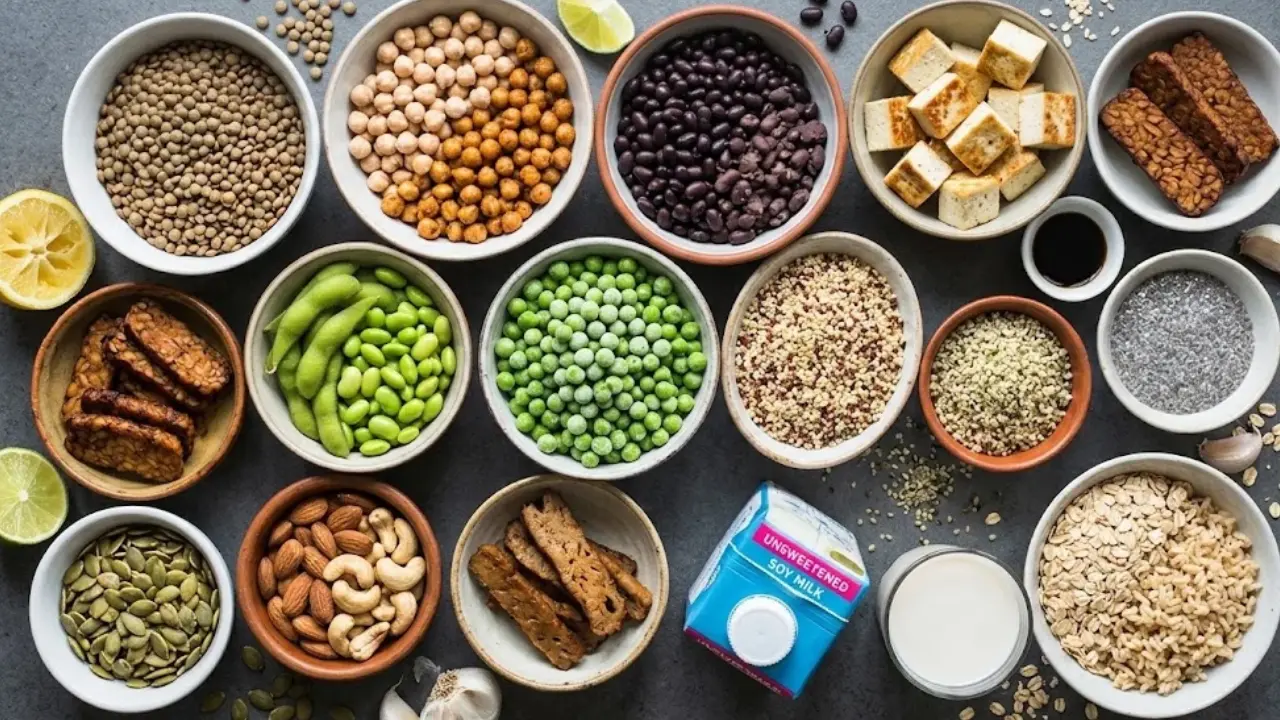
1. Lentils — The Quiet Champion
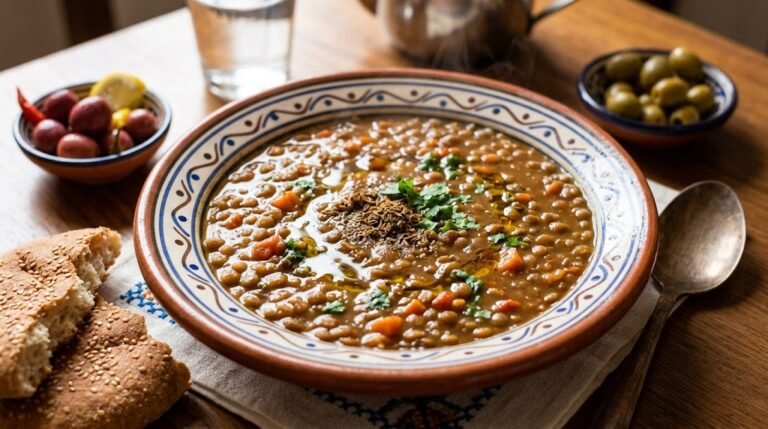
Lentils cook in about 20 minutes, no soaking required, and they smell faintly sweet as they simmer — like warm earth and a little bit of grass. When they’re done, they should be tender enough to mash against the pot with a wooden spoon but still hold a soft shape.
I use them as a base for soup, a filler for tacos, and a warm salad with roasted carrots. For the exact nutrients, this lentils nutrition facts breakdown is a solid quick read.
2. Chickpeas — Crunchy, Creamy, or Both
Open a can of chickpeas and you get two textures in one: a creamy center and a slightly grainy skin. Roast them at 220°C until they rattle in the tray and the skins turn papery — that’s your cue they’re done.
They’re one of the best plant based protein sources for salads and grain bowls because they don’t wilt under a warm dressing. Mash them for sandwiches, toss them whole into pasta.
3. Black Beans — For When You Want Depth
Black beans bring a darker, slightly smoked flavor that works with citrus, cumin, and cocoa. Drain them and rinse well, or the can liquid will taste tinny in the pan.
Here’s a trick: mash a few beans into the pan and let them fry in olive oil until they look glossy. The result is richer than any bean straight out of the can.
4. Firm Tofu — The One That Needs a Press
Tofu has a reputation it doesn’t deserve. The trick is pressing it — wrap it in a clean towel, weigh it with a heavy pan for 15 minutes, and the water will run out. Then it browns beautifully and stops tasting watery.
Listen for the sizzle when it hits the pan. If it’s just hissing, the pan isn’t hot enough. If it’s silent, dry it more.
5. Tempeh — Firmer, Nuttier, and Slightly Fermented
Tempeh smells a little like mushroom and yeast when you open the pack. Don’t be put off. Slice it thin, sear it in a little oil pan until the edges turn deep brown, and it develops a savory, almost smoky crust.
It’s one of the highest protein plant based foods by weight, but it needs a sauce. A tablespoon of soy sauce and a squeeze of lime does the job.
6. Edamame — The Snack That Doubles as Dinner
Frozen edamame is one of the cheapest plant based protein sources you can keep on hand. Boil them for four minutes, drain, and sprinkle with flaky salt. The pods squeak slightly as you pop them.
They also work in grain bowls and stir-fries. The bright green color is a nice contrast to all the brown and beige on a plate. Taking a thoughtful approach to plant based protein sources keeps the process grounded and realistic.
7. Peas — Small, Sweet, Underrated
Frozen peas are the most overlooked protein-rich plant food in the freezer. A cup gives you solid protein, and they cook in three minutes in a hot pan with a little butter or olive oil.
Try them mashed on toast with a squeeze of lemon. Simple, and it tastes like a restaurant lunch.
8. Quinoa — The Grain That Isn’t
Quinoa has a faint, grassy smell as it cooks and a tiny white ring that pops free when it’s done — that’s your visual cue. Rinse it first, always, or the bitter coating will ruin the batch.
It’s one of the best plant based protein sources to make in a big batch on Sunday. Fluff it with a fork, not a spoon, so it stays light.
9. Hemp Seeds — A Sprinkle, Not a Meal
Hemp hearts taste like a cross between a sunflower seed and a pine nut. They’re soft, not crunchy, and they disappear into oatmeal or yogurt without changing the texture.
Don’t rely on them as your main protein. Treat them as a topping — two spoonfuls over a bowl, and you’re done.
10. Chia Seeds — The Gel That Holds Breakfast Together
Chia seeds swell in liquid into a tapioca-like gel. That’s what makes chia pudding, and that’s why it works as a binder in meatless patties too.
One thing to know: they don’t taste like much at all. So stack the flavor with cinnamon, vanilla, or fruit on top.
11. Pumpkin Seeds — The Crunch Factor
Pumpkin seeds, or pepitas, are small and flat, and they toast in a dry pan in about two minutes. Keep moving them — the moment they smell nutty, they’re done.
Scatter them on top of soups and grain bowls. They’re cheap plant based protein that adds real texture.
12. Almonds and Cashews — For Snacking and Sauces
Almonds are the most versatile of the nut family: snack on them, grind them into flour, or blend them into sauce. Cashews, soaked in hot water for 15 minutes and blended, turn into a cream that behaves like dairy.
That cream is the base for my favorite weeknight pasta sauce. Nobody guesses it has no dairy.
13. Seitan — For People Who Miss Meat
Seitan has a chewy, meaty bite that surprises people. It’s made from wheat gluten, so it isn’t for anyone avoiding gluten. But if you want a plant based protein list you can throw on a grill, this belongs on it.
Slice it thin, sear it hard in a dry pan, and it gets crisp on the outside. Use it in stir-fries and sandwiches.
14. Soy Milk and Fortified Plant Milks
Unsweetened soy milk has a clean, neutral taste and the highest protein of the plant milks. Use it in smoothies and oatmeal for an easy boost.
Check the label, though. Some fortified milks add protein, others don’t. Read the number, not the front of the carton.
15. Whole Grains — The Supporting Cast
Whole grains like oats, brown rice, and whole wheat bread all carry a little protein. They won’t carry a meal on their own, but they round out the total. The key is to combine them: beans on toast, rice with lentils, oats with nut butter.
That’s the real secret of plant based protein sources — they work in pairs.
How to Make Plant Based Protein Sources Taste Good
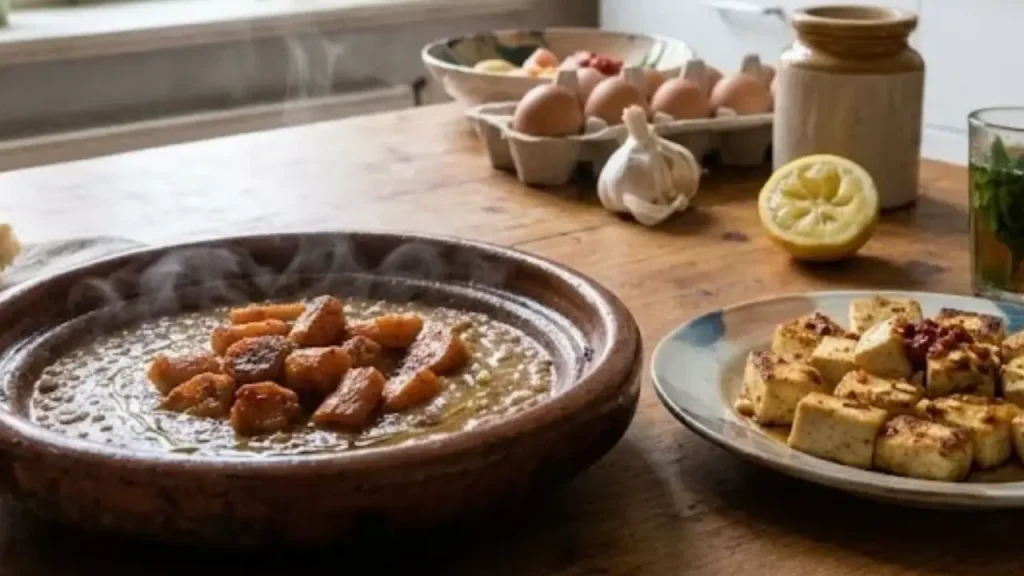
Flavor is where most people give up. Beans taste flat because they need acid, salt, and something smoky or sweet to push them. Even small adjustments around plant based protein sources can remove unnecessary friction.
Acid is the big one. A squeeze of lemon on lentils, a splash of vinegar on chickpeas, lime on black beans — that’s the difference between a dull bowl and a bright one. Salt early, taste often, and don’t be shy with olive oil.
Texture matters just as much. If everything on the plate is soft, the meal feels mushy. Add crunch: toasted seeds, fried shallots, a handful of nuts. It’s a small fix that changes everything.
Try to combine textures in every plant based protein dish. Something creamy, something chewy, something crisp.
Quick Substitutions That Actually Work
- No lentils? Use split peas. They take slightly longer but taste close enough.
- No tofu? Try tempeh or a handful of cashews blended into a sauce.
- No fresh herbs? Dried works if you add them early and let them bloom in oil.
- No canned beans? Dried beans soak overnight and cook in about an hour. Cheaper but slower.
The Protein Pairing Rule
Most plant proteins lack one or two essential amino acids. But you don’t need to calculate anything. Just pair grains with beans and seeds with grains, and over a day it works out.
Rice and beans. Pasta and chickpeas. Oats and almonds. Those are ancient combinations for a reason.
Common Mistakes People Make with Plant Based Protein Sources
Here’s where things go wrong. Understanding the mistakes saves you a lot of disappointing dinners.
Mistake 1: Undercooking or Overcooking Beans
Undercooked beans are firm and chalky, and they don’t absorb flavor. Overcooked beans turn mushy and fall apart. Test one on a spoon — it should be tender but not falling apart.
Mistake 2: Skipping the Press on Tofu
Wet tofu steams instead of browning. It squeaks in the pan and never gets that golden crust. Press it, then dry it, then cook it in a hot pan.
Mistake 3: Forgetting the Acid
A pot of lentils without lemon or vinegar will taste like nothing. It’s the most common complaint I hear, and it’s the easiest to fix.
Mistake 4: Treating Seeds as Main Proteins
Chia and hemp are great, but a sprinkle isn’t a meal. Use seeds as a topping, and build the meal around beans, lentils, or tofu.
How to Store and Reheat Plant Based Protein Meals
Cooked lentils and beans keep in the fridge for four to five days in a sealed container. Add a little water when reheating so they don’t dry out.
Tofu is best eaten fresh, but leftovers keep for two days. Reheat it in a hot pan, not the microwave, so it gets a little crispy again.
Grain bowls freeze well. Portion them into containers, freeze for up to two months, and reheat with a splash of water and a lid on.
What to Serve with Plant Based Protein Sources
Beans and lentils love roasted vegetables, a bright salad, and warm bread. Tofu and tempeh are best with rice, noodles, or a crunchy slaw.
For breakfast, try adding beans or seeds to your morning plate. This high-protein breakfast ideas collection has cheap, proven recipes that fit the same theme.
And if you’re exploring how plant protein fits into a broader diet, the Harvard Health review of plant protein research is worth reading. For general nutrition reference, the Mayo Clinic guide to plant-based diets covers the basics clearly.
FAQ
How much protein do plant based protein sources actually provide?
It varies. Lentils give about 9 grams per half cup cooked, tofu around 10 grams per half cup, and tempeh closer to 15. Seeds are lower per serving but add up quickly.
Are plant based protein sources complete proteins?
Most aren’t complete on their own. But pairing grains with legumes gives you all the essential amino acids across the day. You don’t need to combine them at every meal.
Which plant based protein sources are cheapest?
Lentils, dried beans, peas, and oats. Canned beans and frozen edamame are close behind. Seeds and tofu cost a bit more but still beat most meat.
Can I get enough protein from plant based protein sources alone?
Yes, with planning. Aim for beans, lentils, tofu, or tempeh at two meals a day, and add seeds, nuts, and grains throughout.
Do plant based protein sources cause bloating?
Sometimes, especially if you jump from very little to a lot overnight. Increase slowly, rinse canned beans well, and drink enough water.




3 Comments