
Spicy Ranch Squares: 3 Practical Ways That Work
Why Spicy Ranch Squares Belong on Your Game Day Table
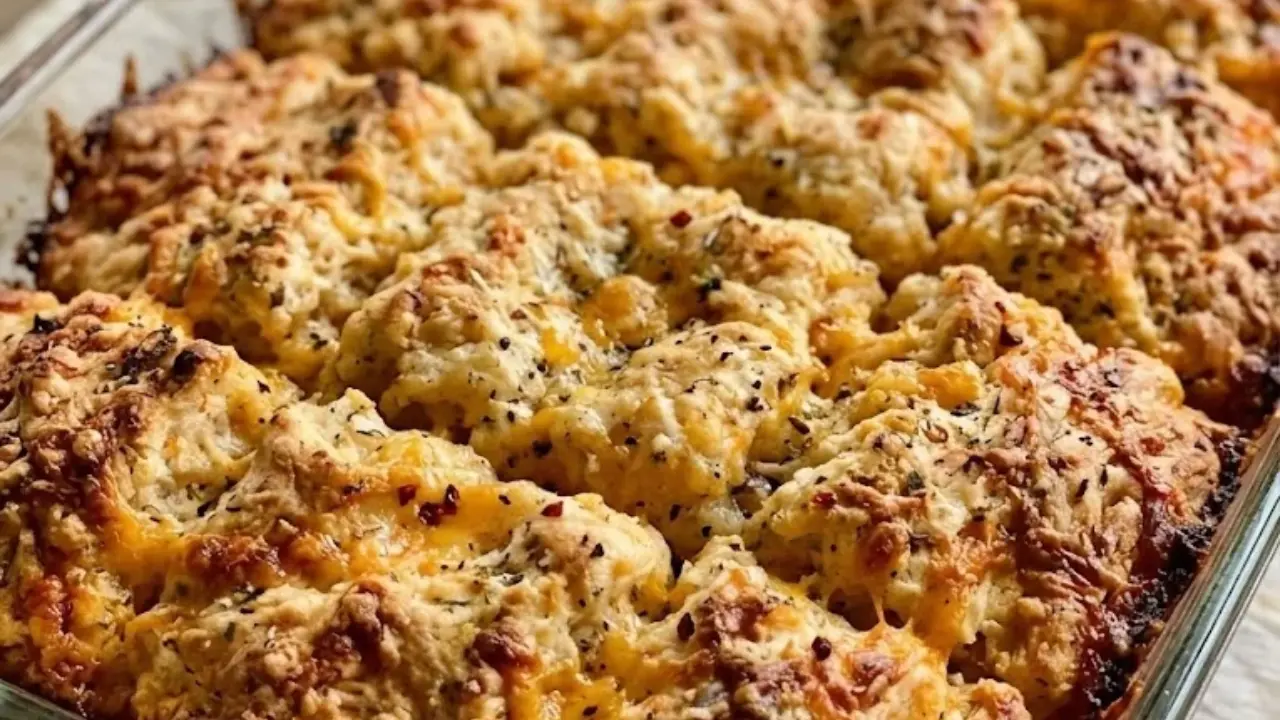
Spicy ranch squares are the kind of snack that makes people lean over the coffee table and ask, “Wait, what is this?” They look unassuming—golden, craggy, cut into rough rectangles. Then the smell hits: toasted cheddar, garlic, a sharp tickle of chili. And suddenly the bowl is empty before the second quarter.
Table of Contents
I’ve made these spicy ranch squares for Super Bowl parties, backyard playoffs, and one very rainy Tuesday when the pantry was bare. They work every time. Not because they’re fancy, but because they hit the exact trio your brain craves during a game: salty, crunchy, and just spicy enough to make you reach for another.
The real magic is the effort-to-reward ratio. Three ingredients. One bowl. One baking sheet. No mixer, no chilling, no rolling pin. These are 3 ingredient appetizers that taste like you tried harder than you did.
What Makes These 3 Ingredient Ranch Squares Work
Most game day food is either messy (wings), fussy (sliders), or forgettable (store-bought veggie tray). Spicy ranch squares land in a rare gap: they’re sturdy enough to eat standing up, bold enough to compete with chili, and cheap enough to make a double batch without wincing.
The structure is simple. You’re essentially making a savory, cheesy cracker dough. Sharp cheddar provides fat and flavor. Ranch seasoning brings the herby, tangy backbone. And a starchy binder holds it all together into something you can slice.
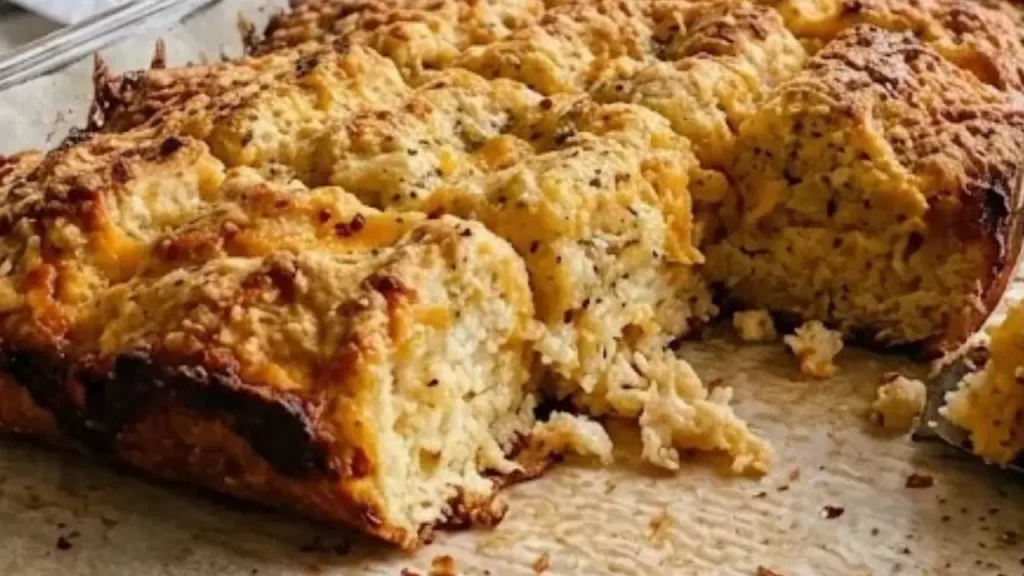
Here’s the part I love: the edges get darker and crunchier than the middle. That contrast is why baked ranch snack squares beat anything from a bag. You get soft, cheesy centers and crisp corners in the same bite. It’s the kind of textural honesty that makes a snack feel homemade.
And unlike fried appetizers, these don’t leave your kitchen smelling like a fryer for two days. The oven does the work while you set out napkins and argue about the spread.
Key Ingredients & Substitutions for Spicy Ranch Squares
Before you preheat anything, let’s talk about what actually goes in. The name says three ingredients, and I mean it—but the details matter more than the count.
The Cheese
Sharp cheddar is my default. It melts evenly and brings a salty tang that plays well with ranch. Pre-shredded cheese works, but it’s dusted with anti-caking starch, which can make the squares slightly drier. If you have five extra seconds, grate a block yourself. The texture is noticeably better.
Want cheesy ranch squares with a softer bite? Swap half the cheddar for Monterey Jack. Want something sharper? A little Parmesan adds a nutty, salty edge, but don’t go overboard—Parmesan dries out fast in the oven.
The Ranch Seasoning
One packet of dry ranch seasoning is the engine here. It’s already salty, so taste your cheese before you add extra salt. If you’re using a homemade ranch seasoning blend, aim for about three tablespoons and make sure it includes dill, garlic powder, onion powder, and black pepper.
This is also where the spice comes in. Most ranch packets aren’t spicy on their own. I add a quarter teaspoon of cayenne or a finely minced jalapeño for that warm back-of-the-throat heat. Go easy. You want people to notice, not panic.
The Binder
Here’s the unglamorous hero: self-rising flour. It gives structure and a tender crumb without baking powder math. If you only have all-purpose flour, whisk one cup with 1½ teaspoons baking powder and ¼ teaspoon salt and use that instead.
Some versions of this spicy ranch squares recipe use an egg instead. That works, but the squares come out more like a flat omelette. Flour keeps them cracker-like, which is what you want for dipping.
How to Make Spicy Ranch Squares: Step by Step
Preheat your oven to 400°F (200°C). Line a rimmed baking sheet with parchment. The parchment isn’t optional—these will weld themselves to a bare pan.
In a large bowl, combine two cups of shredded sharp cheddar, one packet of ranch seasoning, and one cup of self-rising flour. Toss with your fingers until the cheese is evenly coated. It should look like gravel with green flecks.
Add half a cup of cold water, a tablespoon at a time, mixing with a fork. Stop as soon as the dough holds together when you squeeze it. It will be shaggy and slightly sticky. If you add too much water, the squares turn gummy—resist the urge to keep pouring.
Turn the dough onto the parchment and press it into a rough 8×10-inch rectangle, about half an inch thick. Use your palms, not a rolling pin. You want dimples and texture.
Bake for 18 to 22 minutes. Here’s your sensory cue: the kitchen should smell like a fancy cheese straw shop. The edges will pull away from the parchment and turn deep golden brown. The center should look set and dry, not glossy. If it’s still shiny, give it three more minutes.
Cool on the pan for ten minutes before slicing. This is the hardest part. Cutting too early gives you crumbly edges and a gummy middle. Cut into rough squares—about sixteen—and serve warm or at room temperature.
Pro Tips to Avoid Soggy or Dry Spicy Ranch Squares
I’ve made every mistake in the book. Here’s what I’ve learned the hard way.
Avoiding Soggy Squares
Sogginess almost always comes from wet cheese or too much water. If you’re grating your own cheddar, pat it dry with a paper towel first. Pre-shredded cheese is drier by nature, which is actually an advantage here.
Also, don’t crowd the pan. If you press the dough too thin or spread it to the edges, the moisture has nowhere to escape and you get pale, limp squares. Keep it half an inch thick and leave a border.
And please, cool them on the pan. Moving them to a plate while hot traps steam underneath. Those cheesy ranch squares will go soft in minutes.
Avoiding Dry, Crumbly Squares
Dryness comes from overbaking or too little fat. Set your timer for 18 minutes the first time you make this spicy ranch squares recipe, then check every two minutes after. The difference between crisp and dusty is about 90 seconds.
If you’re using a low-fat cheese, add an extra tablespoon of butter or olive oil to the dough. Fat carries flavor and keeps the crumb tender. Full-fat cheese is your friend here.
One more thing: let the dough rest for five minutes before baking. The flour hydrates and the squares bake more evenly. It’s a small pause that pays off.
Storage and Reheating Instructions
These spicy ranch squares keep surprisingly well. Store them in an airtight container at room temperature for up to three days. Don’t refrigerate them—the cold makes the cheese rubbery and the texture grainy.
If you need to make them ahead for easy football party food, bake them a day early, cool completely, and store covered. Reheat on a baking sheet at 350°F for five to seven minutes. They’ll crisp right back up.
Freezing works too. Lay the baked, cooled squares in a single layer on a tray, freeze for an hour, then transfer to a freezer bag. Reheat from frozen at 375°F for ten minutes. They won’t be quite as good as fresh, but they’ll still beat anything from the frozen aisle.
One warning: don’t microwave them. The cheese turns to rubber and the edges go limp. The oven is the only reheating method worth using.
What to Serve With Spicy Ranch Squares
These easy party appetizers are flexible. They’re sturdy enough to scoop, so thick dips work beautifully. A bowl of cool sour cream dip or a simple guacamole balances the heat. Just avoid thin salsas—they’ll soften the squares.
For a fuller spread, pair them with a big pot of chili or a tray of grilled chicken with roasted broccoli and cauliflower. The cheesy, spicy crunch cuts through the richness of the chili and gives vegetarians something substantial to grab.
Want a lighter plate alongside? A simple side of boiled eggs with steamed vegetables or an omelette and fruit breakfast plate works surprisingly well at brunch-style game days. And if you’re feeding a crowd with dietary restrictions, a bowl of lentils or these plant based protein sources round out the table without extra work.
For drinks, cold beer is the obvious choice, but a crisp apple cider or sparkling water with lime does the job for non-drinkers. The point is contrast: something cold and fizzy against the warm, salty squares.
Frequently Asked Questions About Spicy Ranch Squares
Can I make spicy ranch squares ahead of time?
Yes. Bake them a day in advance, cool completely, and store in an airtight container. Reheat at 350°F for five to seven minutes just before serving. They crisp up nicely.
Can I make these gluten-free?
Use a gluten-free all-purpose flour blend with a binder like xanthan gum. The texture will be slightly more crumbly, but the flavor holds up. Add an extra tablespoon of water if the dough feels dry.
How do I know when the squares are done?
Look for deep golden edges, a dry center, and a firm feel when you press the middle. The smell should be toasted and cheesy, not raw. If the center looks glossy, bake two more minutes.
Can I use a different cheese?
Yes. Monterey Jack, Colby, or a mild cheddar work well. Avoid very soft cheeses like mozzarella or brie—they release too much water and make the squares soggy.
How spicy are these really?
Mildly spicy. The cayenne adds warmth, not a punch. If you want more heat, add an extra pinch of cayenne or a tablespoon of finely minced jalapeño. If you want less, cut the cayenne entirely.
These spicy ranch squares won’t win any beauty contests. They’re rough, golden, and a little lopsided. But that’s exactly why people keep coming back to the pan. They taste like someone cared, and they disappear before you have time to worry about it.
If you’re building a game day menu and want a protein anchor to go with these, a batch of high protein breakfast ideas or a plate of sea bream makes a smart pairing. But honestly, a double batch of these squares and a cold drink is enough. Trust me. I’ve tested it.
For more practical perspectives, explore our related guide on Plant Based Protein Sources: 15 Essential Foods for Real Meals.
According to research resources archived by the American Psychological Association and lifestyle wellness studies on Harvard Health, consistent small habits and intentional communication remain key drivers of long-term well-being.


One Comment