Chicken Gizzards Nutrition: Protein, Iron, Benefits & Tips
Chicken gizzards rarely get a place on the front of a restaurant menu, yet they have fed families for generations. They are inexpensive, rich in protein, and surprisingly versatile when cooked properly. Still, plenty of people have questions. Are they healthy? How many calories do they have? And why do some turn out tough as rubber?
This guide covers the chicken gizzards nutrition you need to know, who should be careful, how to clean and cook them so they come out tender, and a simple pan-fried recipe. All values are typical averages based on USDA FoodData Central and are approximate. There are no tables, only short lists that are easy to read on a phone.
What Are Chicken Gizzards?
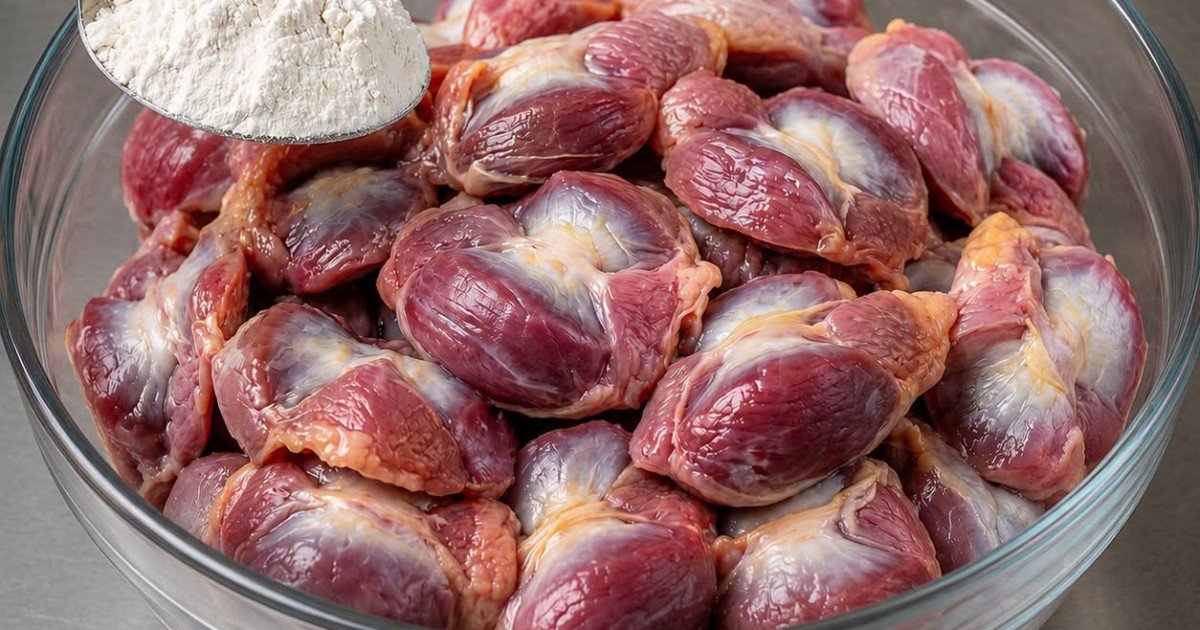
The gizzard is a muscular part of a bird’s digestive system. Because chickens have no teeth, the gizzard grinds food with the help of small stones the bird swallows. It is made almost entirely of dense, hard-working muscle, which is why it is lean and chewy. A gizzard looks like a small, dark red-purple pouch with a silvery-white tendon running through the center, as in the photo.
It is part of the group of foods called organ meats, or offal. Gizzards are sold raw, often together with hearts and livers, and they are common in many cuisines, from fried street food to slow-cooked stews.
Chicken Gizzards Nutrition Facts
Here are approximate values for 100 g of chicken gizzards, no added salt or fat.
Raw
- Calories: about 94 kcal
- Protein: about 17.7 g
- Carbohydrates: 0 g
- Fat: about 2.1 g
- Iron: about 2.5 mg
- Zinc: about 2.8 mg
- Cholesterol: about 240 mg
Cooked (simmered)
- Calories: about 155 kcal
- Protein: about 30 g
- Carbohydrates: 0 g
- Fat: about 3 g
- Iron: about 3 mg or a little more
- Zinc: about 4 mg
The cooked numbers are higher per 100 g because cooking removes water, which concentrates the nutrients. This is why it is important to know whether a nutrition figure refers to raw or cooked food. Gizzards also contain selenium, niacin (B3), riboflavin (B2), and vitamin B12 in useful amounts. Values vary by farm, size, and preparation.
Protein: A Major Strength
At about 30 g of protein per 100 g cooked, gizzards are among the most protein-dense affordable foods. For comparison, cooked chicken breast has about 31 g per 100 g. Gizzard protein is a complete protein, meaning it contains all nine essential amino acids that the body needs from food.
Because they are low in fat and contain no carbohydrates, gizzards are an easy fit for people who want a high protein, low carb meal. Their texture is very different from breast meat, though: firm and chewy, with a deeper, more savory flavor.
Fat and Cholesterol
Gizzards are low in fat, about 3 g per 100 g cooked, and most of it is unsaturated. They do contain dietary cholesterol, roughly 240 mg per 100 g raw. For most healthy people, the amount of cholesterol in food has a smaller effect on blood cholesterol than saturated fat does, but responses vary. People who have been told to watch their cholesterol should ask a doctor or dietitian how often to eat organ meats.
The way you cook gizzards matters most. Boiling or sautéing in a little oil keeps the fat low, while deep-frying in batter adds a lot of calories.
Vitamins and Minerals
In neutral terms, here is what the main nutrients do.
- Iron: contributes to normal oxygen transport. It is heme iron, the type that the body absorbs more easily than iron from plants.
- Zinc: contributes to normal immune function and the maintenance of skin, hair, and nails.
- Selenium: contributes to normal thyroid and immune function.
- Vitamin B12: contributes to normal red blood cell formation and nervous system function.
- Niacin (B3): contributes to normal energy metabolism.
- Riboflavin (B2): contributes to normal energy metabolism and healthy skin.
Unlike liver, gizzards are not exceptionally high in vitamin A, so they are less likely to bring excess if eaten regularly. That said, moderation and variety are still wise.
Are Chicken Gizzards Healthy?
For most people, gizzards can be a nutritious part of a varied diet. They provide lean protein, iron, zinc, and B vitamins at a low cost, and they let you use more of the animal, which many cooks appreciate.
At the same time, they are not a magic food. Their benefits depend on how often you eat them, how they are cooked, and what else is on the plate. A tray of battered, deep-fried gizzards and a side of salted fries is a very different meal from simmered gizzards with vegetables.
Who Should Be Careful
- Gout or high uric acid: Organ meats are high in purines. People with gout are often advised to limit them.
- High cholesterol or heart conditions: Ask your doctor or dietitian about portion size and frequency.
- Kidney conditions: High protein intake may not suit everyone with kidney disease. Seek personal advice.
- Pregnancy: Poultry must be cooked thoroughly, and food safety matters even more. Ask your healthcare provider if you have questions.
- Weakened immune systems, older adults, and young children: Be extra careful with raw poultry handling and thorough cooking.
- Sodium-restricted diets: Pre-seasoned or brined gizzards can be high in salt.
- Poultry or gluten allergies: Check coatings and marinades.
How to Buy and Clean Gizzards
Buying: Look for firm, glossy, dark red gizzards that smell fresh and have no sour odor or slimy surface. They are often packaged with a thin yellow lining, which is removed during cleaning. Use within 1 to 2 days of purchase, or freeze.
Cleaning:
- Rinse gently under cold water.
- Trim away any excess fat, the tough silvery membrane (silverskin), and any remaining yellow lining.
- Cut each gizzard in half to open it up and rinse out any grit.
- Pat dry before cooking.
Wash hands, boards, and knives with hot soapy water after handling raw poultry, and don’t let raw gizzards touch ready-to-eat foods.
The Secret to Tender Gizzards
Gizzards are a hard-working muscle, so they need time. If you fry them raw, they will be tough. The solution is a two-step method: simmer first, then finish.
- Stovetop: simmer gently for 45 to 60 minutes, until a fork slides in easily.
- Pressure cooker: about 20 to 25 minutes at high pressure.
- Slow cooker: 4 to 6 hours on low.
After they are tender, you can pan-fry, grill, bake, or add them to a stew.
Recipe: Tender Pan-Fried Chicken Gizzards
Serves 4.
Ingredients for simmering:
- 500 g chicken gizzards, cleaned
- 1 small onion, halved
- 2 bay leaves
- 1 teaspoon salt
- 1 teaspoon whole peppercorns
- Water to cover
Ingredients for the coating and frying:
- ½ cup (60 g) all-purpose flour
- 1 teaspoon paprika
- ½ teaspoon garlic powder
- ½ teaspoon salt
- ½ teaspoon black pepper
- 3 tablespoons (45 ml) vegetable or olive oil
Steps:
- Place the gizzards, onion, bay leaves, salt, and peppercorns in a pot and cover with water by about 2 cm. Bring to a boil, then reduce to a gentle simmer.
- Cook, partly covered, for 45 to 60 minutes, until tender. Skim off any foam.
- Drain and pat dry with paper towels. Dry gizzards brown better.
- Mix the flour, paprika, garlic powder, salt, and pepper in a bowl. Toss the gizzards in the mixture until evenly coated, as in the photo.
- Heat the oil in a large skillet over medium-high heat. Add the gizzards in a single layer, without crowding.
- Fry for 3 to 4 minutes per side, until golden and crisp. Make sure they are cooked through, reaching at least 165°F (74°C).
- Drain on paper towels and serve hot.
Approximate nutrition (whole recipe, then per serving):
- Gizzards (500 g, raw): about 470 kcal and 88 g protein
- Flour (60 g): about 218 kcal and 6 g protein
- Oil (3 tablespoons): about 360 kcal
- Whole recipe: about 1,050 kcal and 94 g protein
- Per serving (¼): about 262 kcal and 23.5 g protein
Values are approximate. Not all oil is absorbed, so real numbers may be lower.
Tips for Better Results
- Don’t skip the simmer. It is the step that makes gizzards tender.
- Dry them well before coating. Moisture makes the flour gummy.
- Season the cooking water. The simmer is your chance to flavor the meat from the inside.
- Save the broth. It makes a tasty base for soups or rice.
- Don’t crowd the pan. Cook in batches for a crisp crust.
- Slice if serving to kids or older adults. Smaller pieces are easier to chew.
Variations
- Spicy: add cayenne or chili flakes to the coating.
- Garlic and herb: sauté with garlic and parsley after simmering, with no coating.
- Stew: add the simmered gizzards to a tomato and vegetable stew.
- Grilled skewers: thread tender gizzards on skewers and brush with a marinade.
- Lighter version: bake the coated gizzards at 220°C (425°F) for 15 to 20 minutes with a spray of oil.
- Gluten-free: use rice flour or a gluten-free blend for the coating.
Storage and Food Safety
- Raw gizzards: keep at 40°F (4°C) or below and cook within 1 to 2 days, or freeze for up to 3 months.
- Cooked gizzards: cool within 2 hours, refrigerate in an airtight container, and eat within 3 to 4 days.
- Freezing: freeze simmered gizzards in their broth for up to 3 months.
- Reheating: heat until steaming hot, at least 165°F (74°C).
- Thawing: always in the fridge, never on the counter.
Serving Ideas
Serve fried gizzards with a squeeze of lemon, hot sauce, or a simple yogurt-garlic dip. They pair well with rice, mashed potatoes, a green salad, or sautéed greens. For a balanced plate, add vegetables and whole grains.
Conclusion
Chicken gizzards nutrition shows a lean, protein-rich food with roughly 30 g of protein per 100 g cooked, plus iron, zinc, selenium, and B vitamins. They are affordable and satisfying, but they need the right technique: clean them well, simmer until tender, and then finish with your favorite method.
Enjoy them in moderation as part of a varied diet, watch the added fat and salt, and check with a professional if you have gout, high cholesterol, or kidney concerns. Cooked properly and safely, they are a good example of nose-to-tail eating that is both practical and delicious.
Source reference: USDA FoodData Central. Values are typical averages and are approximate.
This article is for general information only and is not medical or dietary advice. Consult a qualified healthcare professional for personal guidance.
FAQ
1. Are chicken gizzards healthy?
They are a lean, high protein food that provides iron, zinc, selenium, and B vitamins. They are best eaten in moderation and cooked with little added fat. People with gout, high cholesterol, or kidney conditions should ask a professional.
2. How much protein is in chicken gizzards?
About 17.7 g per 100 g raw and about 30 g per 100 g cooked. The cooked figure is higher because water is lost during cooking.
3. Why are my gizzards tough?
Gizzards are a hard-working muscle. They need a long, gentle simmer (45 to 60 minutes) or a pressure cooker (20 to 25 minutes) before frying or grilling.
4. How many calories are in chicken gizzards?
About 94 kcal per 100 g raw and about 155 kcal per 100 g cooked. Frying and coatings add calories.
5. Do chicken gizzards have a lot of cholesterol?
They contain about 240 mg per 100 g raw. Dietary cholesterol affects people differently, so ask a doctor or dietitian if you have been advised to watch your cholesterol.