Mixed Nuts Benefits: Nutrition, Heart Health, Serving Size
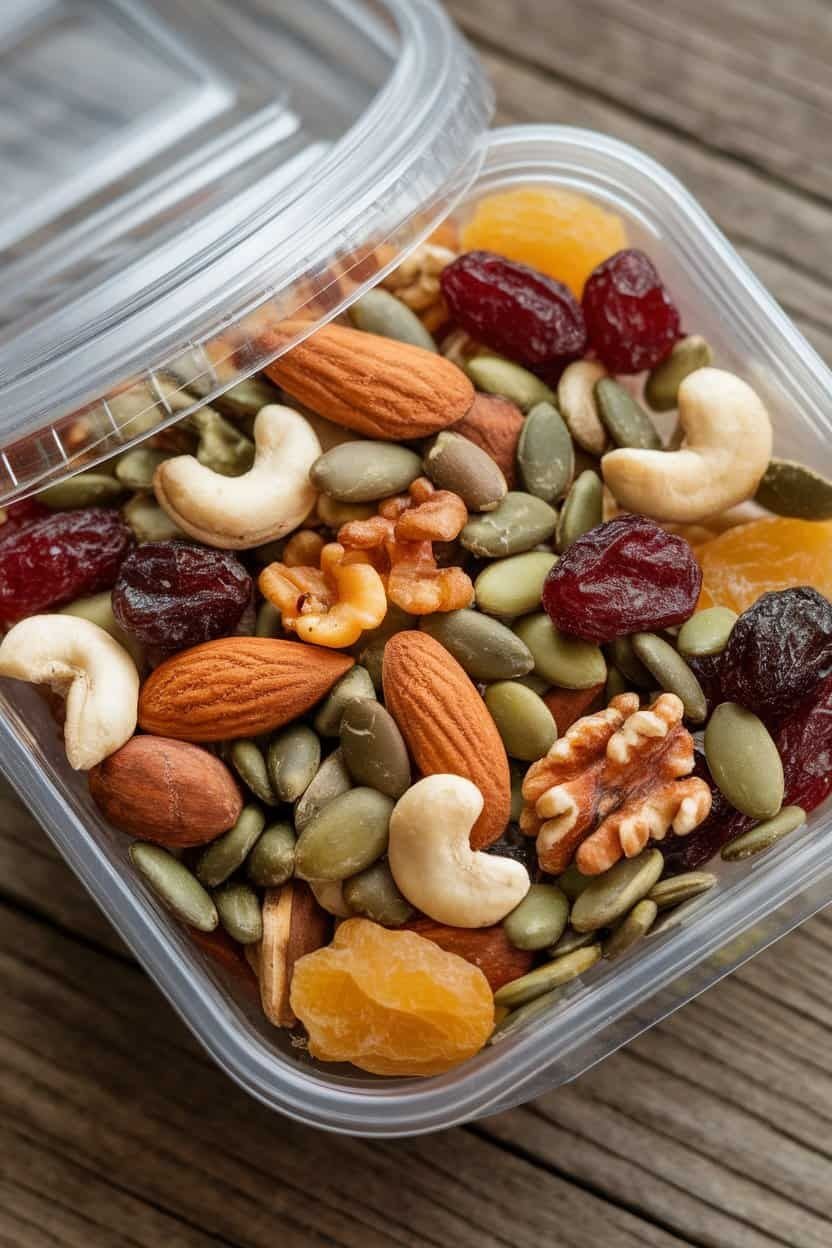
A bowl of almonds, cashews, walnuts, and pumpkin seeds looks like a simple snack. Nutritionally, it is one of the most concentrated foods you can keep in a kitchen: healthy fats, plant protein, fiber, vitamins, and minerals in a small handful. That is why dietitians and public health guidelines so often mention nuts and seeds when they describe a balanced eating pattern.
This guide covers the mixed nuts benefits that are supported by research, with realistic numbers, a plain look at heart health, and practical advice on portions, storage, and who should be careful. Values are typical averages from USDA FoodData Central and are approximate.
Nutrition Facts per 100 g
These values are for raw or dry-roasted, unsalted nuts and seeds. Because nuts are dense in energy, 100 g is a large amount, so the next section is more useful for everyday eating.
Almonds (per 100 g)
- Calories: about 579 kcal
- Protein: about 21.2 g
- Carbohydrates: about 21.6 g
- Fiber: about 12.5 g
- Fat: about 49.9 g
Cashews (per 100 g)
- Calories: about 553 kcal
- Protein: about 18.2 g
- Carbohydrates: about 30.2 g
- Fiber: about 3.3 g
- Fat: about 43.9 g
Walnuts (per 100 g)
- Calories: about 654 kcal
- Protein: about 15.2 g
- Carbohydrates: about 13.7 g
- Fiber: about 6.7 g
- Fat: about 65.2 g
Pumpkin seeds, hulled (per 100 g)
- Calories: about 559 kcal
- Protein: about 30.2 g
- Carbohydrates: about 10.7 g
- Fiber: about 6.0 g
- Fat: about 49.0 g
Values vary by variety, roasting, brand, and preparation.
Nutrition Facts per Common Serving
A common serving is a small handful of about 28 g (1 oz).
Almonds (28 g)
- Calories: 164 kcal
- Protein: 6.0 g
- Carbohydrates: 6.0 g
- Fiber: 3.5 g
- Fat: 14.0 g
Cashews (28 g)
- Calories: 157 kcal
- Protein: 5.2 g
- Carbohydrates: 8.6 g
- Fiber: 0.9 g
- Fat: 12.4 g
Walnuts (28 g)
- Calories: 185 kcal
- Protein: 4.3 g
- Carbohydrates: 3.9 g
- Fiber: 1.9 g
- Fat: 18.5 g
Pumpkin seeds (28 g)
- Calories: 158 kcal
- Protein: 8.6 g
- Carbohydrates: 3.0 g
- Fiber: 1.7 g
- Fat: 13.9 g
Equal-parts mix (28 g)
- Calories: about 166 kcal
- Protein: about 6.0 g
- Carbohydrates: about 5.4 g
- Fiber: about 2.0 g
- Fat: about 14.7 g
A real mix will differ depending on the proportions. A handful with more walnuts is higher in calories and fat, while one with more almonds is higher in fiber.
Protein Content and Quality
A 28 g handful of mixed nuts provides roughly 6 g of protein. That is helpful, but nuts are not a high-protein food on their own. They work best as a supporting source alongside legumes, grains, dairy, eggs, fish, or poultry. Pumpkin seeds are the protein leader of this mix, and almonds come next.
Most nut proteins are lower in lysine than animal proteins, so they are not considered “complete” on their own. Eating a variety of plant foods over the day usually covers this.
Carbohydrates, Fats, and Fiber
Fats. Roughly 75 to 85 percent of the calories in nuts come from fat. Most of it is unsaturated:
- Monounsaturated fat is abundant in almonds and cashews.
- Polyunsaturated fat is abundant in walnuts, which also provide plant omega-3 (ALA), about 2.5 g per 28 g.
- Saturated fat is low, about 1 to 3 g per serving.
Carbohydrates. Low to moderate. Cashews have the most, while walnuts and pumpkin seeds have the least. Natural sugars are very low, usually 1 to 2 g per serving.
Fiber. About 2 g per 28 g in a typical mix, and up to 3.5 g in almonds alone.
Vitamins and Minerals
Mixed nuts and seeds are good sources of several micronutrients:
- Magnesium (about 76 to 150 mg per 28 g, highest in pumpkin seeds): contributes to muscle and nerve function and normal energy metabolism.
- Vitamin E (about 7 mg in 28 g of almonds): an antioxidant that contributes to protecting cells from oxidative stress.
- Zinc and iron (pumpkin seeds and cashews): contribute to immune function and oxygen transport respectively.
- Phosphorus and potassium: contribute to bones and normal muscle function.
- Copper and manganese: contribute to normal connective tissue and energy metabolism.
Mixed Nuts Benefits for Heart Health
This is the area where nuts have the most research behind them. Many studies, mostly observational but also controlled trials, link regular nut intake to better blood lipid profiles, including lower LDL (“bad”) cholesterol. Large population studies have also associated eating nuts several times a week with a lower risk of cardiovascular disease.
What may explain it:
- Unsaturated fats replacing saturated fats in the diet.
- Fiber, which contributes to normal digestive function and cholesterol handling.
- Plant sterols and antioxidants found naturally in nuts.
- Magnesium and potassium, which contribute to normal heart muscle and blood pressure regulation.
The US Food and Drug Administration has allowed a qualified statement that eating 1.5 oz (about 42 g) per day of most nuts, as part of a diet low in saturated fat and cholesterol, may reduce the risk of heart disease. The word “qualified” matters: the evidence is supportive, but not conclusive. Nuts help most when they replace less healthy snacks, rather than being added on top of them.
Other Potential Benefits
When part of a varied diet, nuts and seeds may support:
- Satiety. The mix of fat, fiber, and protein can make a small snack feel filling.
- Blood sugar steadiness. Their low carbohydrate load and fiber mean they do not cause sharp rises when eaten alone.
- Convenience. They need no preparation and keep well, which makes healthy snacking easier.
- Nutrient variety. They add vitamin E, magnesium, and plant fats that many diets lack.
These are general benefits of a nutritious food, not treatments or guarantees.
Are Nuts “Essential”?
Nuts are valuable, but no individual food is strictly essential. You can get healthy fats, fiber, and minerals from other foods such as olive oil, legumes, whole grains, seeds, fish, and vegetables. What research supports is that nuts are a useful, well-studied part of an overall healthy pattern, such as the Mediterranean diet, and they are worth including regularly if you tolerate them.
How Much Should You Eat?
Public guidelines commonly suggest around 28 g (1 oz), a small handful, most days of the week, as part of a balanced diet. This amount gives you the benefits without too many calories. Larger portions add up quickly: three handfuls would be about 500 kcal.
Practical ways to measure:
- Count into a small bowl or a reusable container rather than eating from the bag.
- Pre-portion a week’s worth into small jars or bags.
- Use them to replace chips, biscuits, or sweets, rather than adding them on top.
How Preparation Changes Their Nutrition
- Raw or dry-roasted, unsalted: The best choices for the numbers above.
- Oil-roasted: Adds a few extra calories per serving.
- Salted, honey-roasted, or candied: Add sodium or sugar, which changes the nutritional picture.
- Soaking: Some people soak almonds or seeds for texture or digestion. It does not meaningfully change calories.
- Nut butters: Convenient, but check labels for added sugar, salt, and palm oil.
How to Choose, Store, and Prepare Them
Choosing: Pick plump, evenly colored nuts without cracks, dark spots, or a musty smell. Unsalted raw or dry-roasted nuts are the most flexible.
Storing: Nuts contain a lot of oil, which can go rancid. Keep them in an airtight container in a cool, dark place for a few months, or in the refrigerator for up to 6 months and in the freezer for up to a year.
Food safety: Discard nuts that smell sour or paint-like, taste bitter, or show visible mold, because moldy nuts can contain harmful toxins. Wash your hands and use clean containers.
Who Should Be Careful
- Allergies: Tree nut and peanut allergies are common and can be severe. Anyone with a known allergy must avoid them, and read labels on mixes, which often contain several nut types and may be processed with others.
- Young children: Whole nuts are a choking hazard for children under about 4 years old. Use finely ground nuts or nut butters thinned appropriately, following pediatric advice.
- Weight and calorie goals: Because they are energy dense, portion size matters.
- Kidney conditions: Nuts contain potassium, phosphorus, and magnesium, so people on restricted diets should ask a doctor or dietitian.
- Medications and special diets: Check with a healthcare professional if you have specific medical conditions or take regular medication.
- Added sodium: Choose unsalted types if you are watching your salt intake.
Simple Ways to Eat Them
- A small handful as an afternoon snack with a piece of fruit.
- Sprinkled over yogurt, oatmeal, or porridge.
- Chopped into salads or roasted vegetables for crunch.
- Blended into a homemade trail mix with unsweetened dried fruit.
- Toasted lightly and used as a topping for rice, soups, or curries.
Conclusion
The mixed nuts benefits come down to a strong nutritional package: healthy unsaturated fats, plant protein, fiber, vitamin E, magnesium, and other minerals in a convenient handful. Research links regular nut intake with better heart-health markers, especially when nuts replace less nutritious snacks.
Keep portions around 28 g, choose unsalted raw or dry-roasted types, store them cool and airtight, and avoid them if you have an allergy. Nuts are not a miracle food or a requirement, but they are one of the easiest ways to improve a daily eating pattern.
Source reference: USDA FoodData Central. Values are typical averages and are approximate.
This article is for general information only and is not medical or dietary advice. Consult a qualified healthcare professional for personal guidance.
FAQ
1. How many calories are in a handful of mixed nuts?
A 28 g (1 oz) handful has about 160 to 185 kcal, depending on the mix. An equal-parts blend of almonds, cashews, walnuts, and pumpkin seeds provides about 166 kcal.
2. How many nuts should I eat per day?
Many guidelines suggest about 28 g (a small handful) most days. Larger portions are fine for some people, but the calories add up quickly.
3. Are mixed nuts good for the heart?
Research links regular nut consumption with better cholesterol levels and lower cardiovascular risk, especially when nuts replace less nutritious snacks. They work as part of an overall healthy diet, not as a standalone solution.
4. Is it better to eat nuts raw or roasted?
Raw or dry-roasted, unsalted nuts are the best options. Oil-roasted nuts add a few calories, and salted or candied versions add sodium or sugar.
5. How long do mixed nuts keep?
In a sealed container at room temperature, they keep for a few months. In the fridge they last up to 6 months, and in the freezer up to a year. Throw them away if they smell sour, taste bitter, or look moldy.