Sea Bream Nutrition Facts: Protein, Calories, and More
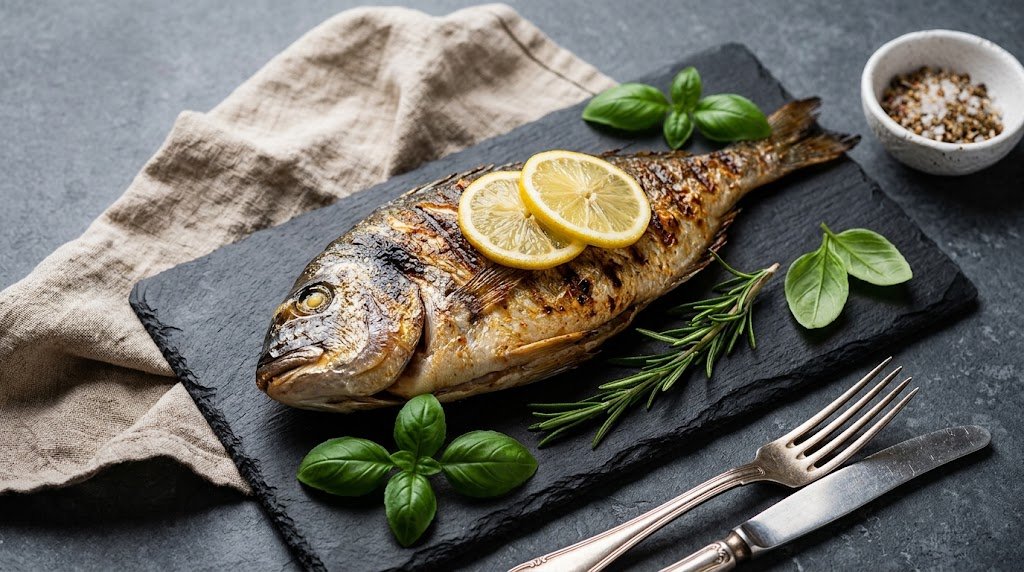
A whole sea bream on the grill, with lemon slices, rosemary, and a crisp, golden skin, is a classic Mediterranean plate. It looks simple, and people often wonder what is actually in it. How much protein does it have? Is it high in calories? What minerals does it provide? This guide covers the sea bream nutrition facts you need, based on typical average values for grilled, edible fish.
Sea bream, often sold as gilt-head bream or dorade, is a mild, white-fleshed fish with a delicate flavor. It is an animal source of protein, so it is useful to compare it with other fish and meats. Below you will find tables per 100 g and per serving, a comparison with other foods, cooking advice, and storage and safety tips.
Nutrition Facts per 100 g
The values below are for cooked sea bream, grilled without added oil, edible flesh only (no skin or bones). They are typical averages drawn from standard food composition data such as USDA FoodData Central and European food tables, and they are approximate.
| Nutrient | Amount per 100 g (grilled) | Notes |
|---|---|---|
| Calories | about 145 kcal | Raw flesh is about 115 kcal, since cooking removes water |
| Protein | about 24.5 g | Raw is about 19.5 g |
| Carbohydrates | 0 g | Fish contains no carbohydrate |
| Sugars | 0 g | |
| Fiber | 0 g | |
| Total fat | about 5.0 g | Farmed fish is usually higher in fat than wild |
| Saturated fat | about 1.3 g | |
| Omega-3 (EPA + DHA) | about 0.8 g (range 0.5 to 1.2 g) | Varies by diet and origin |
| Potassium | about 450 mg | |
| Phosphorus | about 270 mg | |
| Selenium | about 35 µg | |
| Vitamin B12 | about 3 µg | |
| Niacin (B3) | about 5 mg | |
| Magnesium | about 30 mg | |
| Sodium | about 70 mg | Without added salt |
Values vary by variety, farming or wild origin, size of the fish, and preparation.
Nutrition Facts per Common Serving
| Serving (grilled flesh) | Calories | Protein | Carbs | Fat | Fiber |
|---|---|---|---|---|---|
| 100 g (small portion) | 145 kcal | 24.5 g | 0 g | 5.0 g | 0 g |
| 150 g (typical fillet) | 218 kcal | 36.8 g | 0 g | 7.5 g | 0 g |
| 200 g (large portion) | 290 kcal | 49.0 g | 0 g | 10.0 g | 0 g |
A whole fish weighs more than these figures suggest. A fish of about 350 to 400 g before cooking usually yields roughly 150 to 180 g of edible flesh after removing the head, skin, and bones.
Protein Content and Quality
Grilled sea bream provides about 24.5 g of protein per 100 g, which makes it a protein-rich food. Fish protein is considered a complete protein, which means it contains all nine essential amino acids that the body needs from food. It is also easy to digest and has a fairly soft texture.
Here is how it compares with other common animal proteins, all per 100 g cooked:
| Food (cooked) | Calories | Protein | Fat |
|---|---|---|---|
| Sea bream (grilled) | about 145 kcal | about 24.5 g | about 5.0 g |
| Chicken breast (skinless) | about 165 kcal | about 31 g | about 3.6 g |
| Atlantic salmon (farmed) | about 206 kcal | about 22 g | about 12.4 g |
| Cod | about 105 kcal | about 23 g | about 0.9 g |
Sea bream falls in the middle: more fat than cod, but noticeably less than farmed salmon. That is the main point in any sea bream vs salmon nutrition comparison. Salmon provides more omega-3 and calories, while sea bream is lighter and milder.
Carbohydrates, Fats, and Fiber
Carbohydrates and fiber. Sea bream has none of either, like all fresh fish. If you want a more balanced plate, serve it with vegetables, potatoes, rice, or a salad that supply carbohydrates and fiber.
Fats. Most of the fat in sea bream is unsaturated, with a modest amount of saturated fat (about 1.3 g per 100 g cooked). Fat content depends on the diet and lifestyle of the fish, so farmed fish normally contain more than wild ones.
Omega-3. Sea bream provides a moderate amount of the long-chain omega-3 fats EPA and DHA. It is not as rich as oily fish such as salmon, mackerel, or sardines, but it still contributes.
Vitamins and Minerals
Sea bream is a good source of several micronutrients, shown in the table above. In neutral terms, here is what they do:
- Potassium (about 450 mg): contributes to normal muscle and nerve function and fluid balance.
- Phosphorus (about 270 mg): contributes to bones and teeth, and to energy metabolism.
- Selenium (about 35 µg): contributes to the normal function of the immune system and thyroid.
- Vitamin B12 (about 3 µg): contributes to red blood cell formation and the nervous system. It is found almost exclusively in animal foods.
- Niacin (about 5 mg): contributes to energy metabolism.
- Magnesium (about 30 mg): contributes to muscle function and bone health.
Potential Benefits
Used as part of a varied diet, sea bream may support a balanced eating pattern in the following ways:
- It is a good source of high-quality protein with no carbohydrate.
- It provides B12 and selenium, which many people want from animal foods.
- It supplies omega-3 fats, although in smaller amounts than oily fish.
- Its moderate calorie level makes it easy to fit into different meal plans.
No single food is responsible for health outcomes. Benefits depend on the whole diet, the cooking method, and individual needs.
How Cooking Changes Its Nutrition
- Grilling or baking: Keeps fat low and flavor high. Water loss concentrates calories and protein per 100 g, which is why cooked values are higher than raw.
- Steaming or poaching: Preserves moisture and adds no fat. Some water-soluble nutrients can leach into the cooking liquid.
- Pan-frying: Adds the calories of the oil used. A teaspoon of olive oil adds roughly 40 kcal.
- Deep-frying: Raises calories significantly because of the coating and oil.
Practical tip for grilling a whole fish: Pat it dry, score the skin 2 or 3 times, brush it lightly with oil, and season the cavity with lemon, rosemary, and garlic. Grill over medium-high heat for about 5 to 7 minutes per side, depending on size, until the flesh turns opaque and flakes easily.
How to Choose, Store, and Prepare It
Choosing: Look for clear, slightly bulging eyes, bright red gills, shiny skin, and firm flesh that springs back when pressed. It should smell clean and of the sea, not strongly fishy.
Storing fresh fish: Keep it at 40°F (4°C) or below, ideally on ice, and cook it within 1 to 2 days. Cooked fish keeps for 3 to 4 days in an airtight container in the fridge. Raw fish freezes well for about 3 months at 0°F (-18°C) with good quality.
Food safety: Cook fish to an internal temperature of 145°F (63°C). Wash your hands, boards, and knives after handling raw fish, and avoid cross-contamination with ready-to-eat foods.
Preparing: Ask the fishmonger to scale and gut the fish. Rinse it briefly under cold water and pat it dry.
Who Should Be Careful
- Fish allergy: People with a fish allergy should avoid it completely.
- Bones: Whole fish contain fine bones, so take care with young children and older adults.
- Pregnancy and young children: Follow local health authority advice on fish choices and portion frequency.
- Gout or kidney conditions: Some people are advised to limit certain foods. A doctor or dietitian can give personal guidance.
- Salt-restricted diets: Check for added salt in marinades, stuffing, or pre-seasoned fish.
Simple Ways to Eat It
- Grilled whole with lemon and herbs, as in the photo, with olive oil and rosemary.
- Baked in foil with sliced tomatoes, onion, and a splash of white wine or lemon juice.
- Fillets pan-seared and served over a green salad.
- Steamed with ginger and spring onion for a light Asian-style dish.
- With roasted vegetables and potatoes for a complete one-tray dinner.
Conclusion
These sea bream nutrition facts show a lean, protein-rich fish with no carbohydrates, a moderate amount of fat, some omega-3, and useful minerals such as potassium, phosphorus, and selenium. At about 145 kcal and 24.5 g of protein per 100 g grilled, it sits comfortably between lean white fish and richer oily fish.
Choose fresh fish, cook it to a safe temperature, and keep the added fat low by grilling or baking. As with any food, enjoy it as part of a varied diet.
Source reference: USDA FoodData Central and European food composition tables. Values are typical averages and are approximate.
This article is for general information only and is not medical or dietary advice. Consult a qualified healthcare professional for personal guidance.
FAQ
1. How much protein is in sea bream per 100 g?
Grilled sea bream provides about 24.5 g of protein per 100 g of edible flesh. Raw sea bream has about 19.5 g per 100 g, since cooking removes water and concentrates the nutrients.
2. How many calories are in grilled sea bream?
About 145 kcal per 100 g of cooked flesh without added oil. A 150 g fillet has roughly 218 kcal. Added oil, butter, or breading will increase this.
3. Is sea bream high in omega-3?
It contains a moderate amount, around 0.5 to 1.2 g of EPA and DHA per 100 g. Oily fish such as salmon, mackerel, and sardines usually have more.
4. Is sea bream better than salmon?
Neither is better in every way. Sea bream is lighter, with fewer calories and less fat, while salmon provides more omega-3. The best choice depends on your meal and preferences.
5. At what temperature should sea bream be cooked?
To an internal temperature of 145°F (63°C). The flesh should be opaque and flake easily with a fork.