Is Avocado Toxic to Horses? Benefits for People vs. Risks
Avocado is one of the most popular foods in the world. It is creamy, filling, and packed with nutrients, so it ends up on toast, in salads, and in smoothies in countless kitchens. But the same fruit that is a healthy choice for many people can be dangerous for other animals, and horses are one of them.
This guide explains both sides. First, the avocado benefits for humans, with realistic nutrition numbers. Then the part every horse owner needs to know: is avocado toxic to horses, why it is risky, what the warning signs look like, and what to do if a horse eats some. Values are typical averages from USDA FoodData Central and are approximate. There are no tables, only short lists that are easy to read on a phone.
Avocado Nutrition Facts for Humans
Raw avocado (per 100 g of flesh)
- Calories: about 160 kcal
- Protein: about 2.0 g
- Carbohydrates: about 8.5 g
- Natural sugars: about 0.7 g
- Fiber: about 6.7 g
- Total fat: about 14.7 g, mostly monounsaturated
- Saturated fat: about 2.1 g
- Potassium: about 485 mg
- Folate: about 81 µg
- Vitamin K: about 21 µg
- Vitamin E: about 2.1 mg
- Vitamin C: about 10 mg
- Magnesium: about 29 mg
One medium avocado (about 150 g of flesh)
- Calories: about 240 kcal
- Protein: about 3.0 g
- Fiber: about 10.1 g
- Fat: about 22 g
- Potassium: about 730 mg
A common serving of one third of a medium avocado (about 50 g)
- Calories: about 80 kcal
- Fiber: about 3.4 g
- Fat: about 7.4 g
Values vary by variety, ripeness, and size.
Avocado Benefits for Humans
For most people, avocado can be a nutritious part of a varied diet. Here is what the evidence supports, in careful terms.
Heart-friendly fats. Most of the fat in avocado is monounsaturated. When it replaces saturated fat in the diet, it fits the pattern seen in heart-healthy eating styles such as the Mediterranean diet.
Fiber. One medium avocado provides about 10 g, which contributes to normal digestive function. Fiber also helps you feel full.
Potassium. Avocado has more potassium per gram than a banana. Potassium contributes to normal muscle and nerve function and to normal blood pressure.
Folate and vitamin K. Folate contributes to normal cell division, and vitamin K contributes to normal blood clotting and bone health.
Better absorption of fat-soluble nutrients. Eating avocado with vegetables may help the body absorb carotenoids such as beta-carotene, since these dissolve in fat.
Satiety and convenience. The combination of fat and fiber makes it filling, and it needs no cooking.
These are general benefits of a nutritious food, not treatments or guarantees. No single food prevents or cures disease.
Who Should Be Careful With Avocado (Humans)
- Latex-fruit allergy: Some people with a latex allergy react to avocado, banana, or kiwi.
- Blood thinners: Avocado contains vitamin K. People taking warfarin should keep intake consistent and ask their doctor.
- Kidney conditions: The potassium content may matter for people on restricted diets.
- Digestive sensitivity: Large portions may bother people with irritable bowel syndrome because of natural sugar alcohols.
- Calorie awareness: It is energy dense, so portion size matters.
Is Avocado Toxic to Horses?
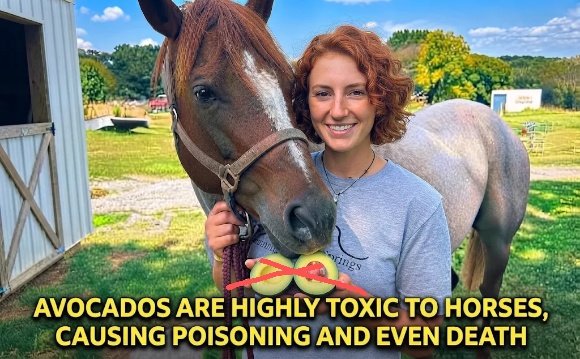
Yes. Avocado is considered unsafe for horses, and owners are advised to keep every part of the plant away from them.
The reason is a natural compound called persin. Avocado plants produce it as a defense. Humans handle it without problems, but many animals are sensitive to it, and horses are among the species where poisoning has been reported.
Where Persin Is Found
- Leaves: often the highest concentration.
- Bark and branches: also contain it.
- Skin and pit (seed): contain it, and the pit is also a choking and obstruction risk.
- Fruit flesh: generally has less, but it is still not considered safe to feed.
Different avocado varieties contain different amounts, and the Guatemalan type is often cited as more toxic than the common Hass type. Even so, there is no established safe amount for horses, so the safe advice is to avoid all of it.
What Does Avocado Do to a Horse?
Veterinary sources describe several effects after a horse eats avocado leaves, skin, pit, or fruit:
- Swelling (edema) of the head, neck, throat, and chest area.
- Colic signs, such as pawing, looking at the flank, rolling, and restlessness.
- Digestive upset, including diarrhea.
- Breathing difficulty if swelling affects the airway.
- Weakness and lethargy.
- Possible heart problems in severe cases. Heart muscle damage is well documented in some other animals, and veterinarians are cautious about the heart in horses too.
Signs may appear within hours, and a horse’s size, the amount eaten, and the part of the plant all change how serious the problem is. Because each horse reacts differently and the toxic dose is not clearly defined, even small amounts are not worth the risk.
Why Can’t Horses Just “Handle It”?
There are a few reasons why a horse is especially vulnerable.
- Horses cannot vomit. Once something is swallowed, it cannot be brought back up, so a toxin stays in the digestive tract.
- The digestive system is delicate. Horses are prone to colic, and anything unusual can upset it.
- They are curious eaters. Some horses will try fruit, leaves, or kitchen scraps if offered.
- Size makes it hard to estimate risk. A bite of leaves from a tree may be more dangerous than a small piece of flesh, and there is no dose you can rely on.
What to Do If a Horse Eats Avocado
- Remove access immediately. Take away any remaining avocado, leaves, or cuttings.
- Call a veterinarian right away, even if the horse looks normal. Signs can be delayed.
- Give details: what part was eaten (flesh, skin, pit, or leaves), roughly how much, when, and the horse’s weight and age.
- Take a photo or a sample of the plant or food to show the vet.
- Do not try home remedies or give medication unless the veterinarian tells you to.
- Keep the horse calm and quiet, and note any signs such as swelling, pawing, or sweating.
- Follow the vet’s instructions, which may include monitoring, fluids, or treatment for colic.
If you cannot reach your own vet, contact an emergency equine clinic or an animal poison control service in your country.
How to Prevent Avocado Poisoning
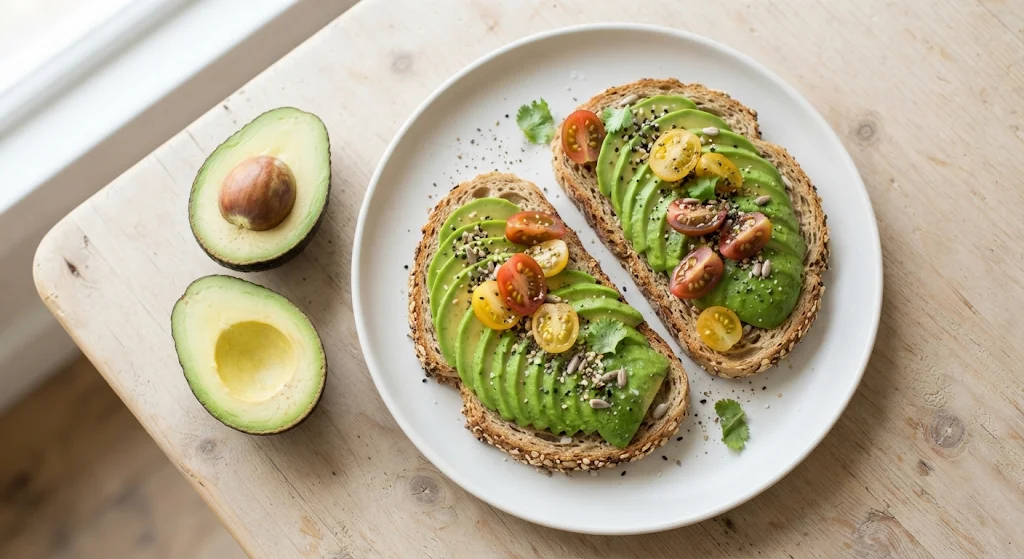
- Never feed avocado, guacamole, or avocado toast to horses, even as a treat.
- Keep avocado trees away from paddocks. Fence off trees, and don’t let horses reach hanging branches.
- Dispose of prunings and fallen leaves safely. Horses may eat dried leaves.
- Don’t throw kitchen scraps into pastures. Peels, pits, and leftovers can attract grazing.
- Tell visitors and children. Many people think fruit is a harmless snack for horses.
- Check feed and hay storage for anything mixed in by mistake.
- Treat guacamole as doubly dangerous, because it often contains onion and garlic, which are also unsafe for horses.
Safer Treat Ideas for Horses
Most healthy adult horses can enjoy small amounts of:
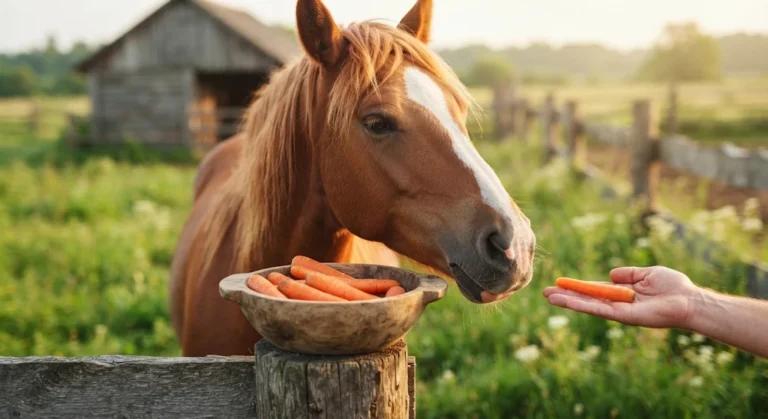
- Carrot sticks, cut lengthwise to reduce choking risk.
- Apple slices, cored, in small amounts.
- Banana in small amounts, occasionally.
- Plain homemade oat and carrot treats without added sugar, salt, or flavorings.
Treats should always be a small part of the diet, since hay and pasture are the foundation. Horses with insulin resistance, laminitis, or other conditions may need to avoid sweet treats, so ask your veterinarian first.

Other Foods Horses Should Not Eat
- Chocolate: contains theobromine, which is dangerous.
- Onions and garlic: can damage red blood cells.
- Potatoes and other raw nightshades: can be toxic.
- Lawn clippings: ferment quickly and can cause colic.
- Large amounts of bread or sugary foods: can upset digestion.
- Fruit pits: a choking hazard, and some contain harmful compounds.
If you are unsure whether a food is safe, don’t feed it.
How to Enjoy Avocado Safely at Home
If you share a household with horses, a few habits help.
- Prepare avocado away from the barn and wash your hands before handling horses.
- Throw skins and pits into a closed bin, not a compost pile reachable by animals.
- Store leftovers in sealed containers in the fridge. A cut avocado browns fast, so press plastic wrap against the surface or add lemon juice.
- Keep it in the human kitchen, and keep treat buckets separate and clearly labeled.
Conclusion
Avocado is a nutritious food for most people, offering fiber, potassium, folate, and mostly unsaturated fat. But for horses, the answer to “is avocado toxic to horses” is a clear warning: the persin in leaves, skin, pit, and fruit can cause swelling, colic, and other serious problems, and no safe amount has been established.
The sensible rule is simple. Keep avocado, guacamole, and avocado trees away from horses, choose safe treats like carrot sticks, and call a veterinarian immediately if you suspect a horse has eaten any part of the plant.
Source reference: USDA FoodData Central for human nutrition values. Values are typical averages and are approximate.
This article is for general information only and is not medical or veterinary advice. In an emergency, contact a qualified equine veterinarian immediately.
FAQ
1. Can horses eat avocado flesh?
It is not considered safe. Flesh generally contains less persin than leaves or skin, but no safe amount has been established for horses, so veterinarians advise avoiding all parts.
2. What are the signs of avocado poisoning in horses?
Swelling of the head, neck, or chest, colic signs such as pawing and rolling, diarrhea, weakness, and breathing difficulty. Call a vet immediately if you notice them or know the horse ate avocado.
3. Is Hass avocado safer than other types?
Some sources say Hass contains less persin than other varieties, but that does not make it safe for horses. The recommendation is to avoid every variety.
4. Are avocado leaves more dangerous than the fruit?
Leaves are often cited as having higher persin levels, and horses can reach them from trees or fallen prunings. Keep trees fenced off and remove clippings.
5. Is avocado good for humans?
For most people, yes. It provides fiber, potassium, folate, and mostly unsaturated fat, and fits well into a balanced diet. People with a latex allergy, kidney conditions, or those taking blood thinners should ask a healthcare professional.