Peanut Butter Protein Balls (Easy No-Bake Recipe)
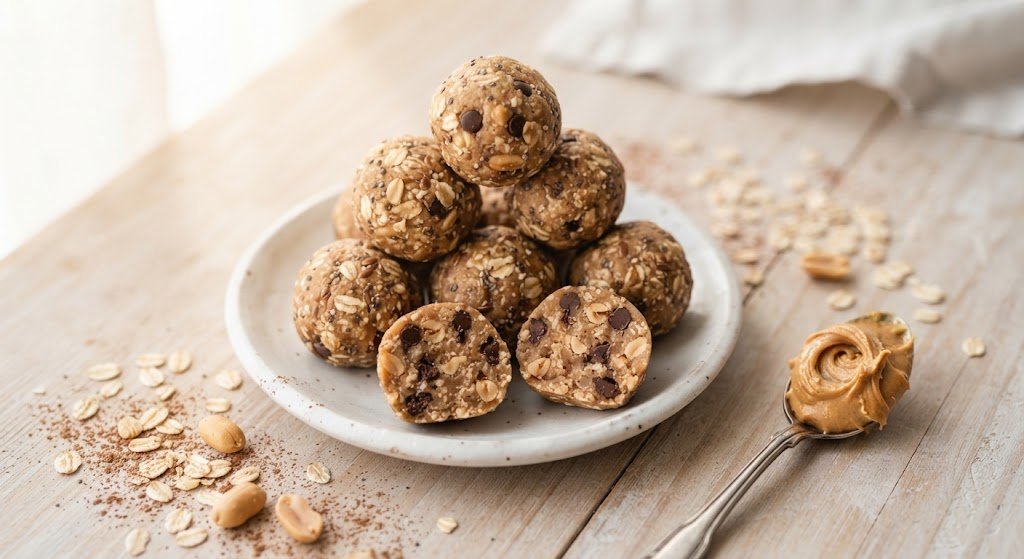
It’s 4 p.m., lunch is a distant memory, and dinner is hours away. Most of us reach for whatever is closest, which is usually a cookie or a bag of chips. A better habit is to keep a container of peanut butter protein balls in the fridge. They take about fifteen minutes to make, they need no oven, and they taste like a cookie dough you’re allowed to eat before dinner.
This guide covers the recipe, why each ingredient matters, how to fix dough that turns out wrong, and how to store the balls so they stay good all week.
Why Peanut Butter Protein Balls Are Worth Making
Store-bought protein bars are convenient, but they can be pricey, chalky, or loaded with sugar alcohols that upset some stomachs. Homemade no bake protein balls give you control. You choose the sweetener, the protein powder, and the size of each bite.
Here is what makes this version practical:
- No cooking. You need a bowl, a spoon, and a fridge.
- Pantry staples. Nothing here requires a specialty store.
- Portion-friendly. Each ball is a small, filling snack rather than a full meal.
- Flexible. Swap the add-ins and the recipe still works.
They also suit busy weeks. As meal prep snacks, one batch covers several days of lunchboxes, gym bags, and desk drawers.
Ingredients You’ll Need
This makes about 14 balls.
- 1 cup (90 g) old-fashioned rolled oats
- ½ cup (130 g) natural creamy peanut butter
- ⅓ cup (40 g) vanilla protein powder
- 3 tablespoons honey or maple syrup
- 2 tablespoons ground flaxseed (optional)
- ⅓ cup (55 g) mini dark chocolate chips
- ½ teaspoon vanilla extract
- A pinch of salt
- 2 to 4 tablespoons milk of your choice, added only as needed
Choosing the Right Peanut Butter
Use a natural, drippy peanut butter that is mostly peanuts and a little salt. It binds the dough better than the thick, stabilized kind, which can make the mixture crumbly. If your jar has a layer of oil on top, stir it back in thoroughly before measuring.
Picking a Protein Powder
Protein powders absorb liquid differently, and this is the most common reason recipes fail. Whey blends are fairly forgiving. Plant-based powders, especially pea protein, soak up more moisture, so expect to use the extra splash of milk. Choose a flavor you actually enjoy on its own, because it will carry through to the finished bite.
Why Rolled Oats
Old-fashioned oats give the balls a chewy, hearty bite. Quick oats work, but the result is softer and a bit pastier. Skip steel-cut oats, which stay too hard without cooking. For a smoother texture, pulse half of the oats in a blender for a few seconds first.
Step-by-Step Instructions
1. Mix the wet ingredients. In a large bowl, stir the peanut butter, honey, vanilla, and salt until glossy and smooth. If the peanut butter is cold and stiff, warm it for 10 to 15 seconds in the microwave.
2. Add the dry ingredients. Tip in the oats, protein powder, and flaxseed. Stir with a sturdy spoon until the mixture looks like thick, crumbly cookie dough.
3. Adjust the texture. Squeeze a small handful. If it holds together, you’re set. If it crumbles, add a tablespoon of milk and mix again. Repeat once or twice if needed, but go slowly, because it’s easy to overshoot.
4. Fold in the chocolate chips. Do this last so they don’t melt into the dough and turn it streaky.
5. Chill for 20 to 30 minutes. This step matters. Resting lets the oats and protein powder absorb moisture, so the dough firms up and becomes much easier to shape.
6. Roll the balls. Use a tablespoon scoop or about 1½ tablespoons of dough per ball. Roll between damp palms for a smooth finish. Place them on a lined tray or straight into a container.
Fixing Common Problems
Even a simple recipe can go sideways. Here is how to rescue it.
The Dough Is Too Dry or Crumbly
Add milk one tablespoon at a time, or a small spoonful of extra peanut butter. Plant-based protein powders cause this most often, so keep a little milk handy.
The Dough Is Too Sticky
Stir in a tablespoon of oats or ground flaxseed, then chill the bowl for another 15 minutes. Cold dough is always less sticky than warm dough. Wetting your hands before rolling also helps.
The Balls Taste Chalky
This usually means too much protein powder or a powder you don’t like. Cut it back to ¼ cup and make up the difference with oats. A little extra vanilla and a pinch of salt can also soften the flavor.
They Fall Apart After Chilling
The mixture probably needed one more spoonful of binder. Mash the balls back into the bowl, add a teaspoon of honey or peanut butter, and reroll.
Easy Variations to Keep Things Interesting
Once you have the base down, these healthy peanut butter energy bites are easy to customize:
- Banana bread style: Add ¼ cup mashed ripe banana in place of the milk, plus a pinch of cinnamon.
- Chocolate lover: Replace 1 tablespoon of oats with unsweetened cocoa powder.
- Crunchy version: Fold in 2 tablespoons of chopped roasted peanuts or crispy rice cereal.
- Coconut twist: Roll the finished balls in unsweetened shredded coconut.
- Nut-free option: Use sunflower seed butter instead of peanut butter and check that your other ingredients are nut-free. Anyone with a food allergy should always read labels carefully.
These oat protein balls are also a good way to use up small amounts of leftover add-ins, like the last handful of dried cranberries or a spoonful of chia seeds.
How to Store Them
Refrigerator: Keep them in an airtight container for up to 7 days. They taste best slightly chilled, and the texture stays firm.
Freezer: Freeze them on a tray for an hour so they don’t stick together, then move them to a freezer bag. They keep for up to 3 months. Thaw for about 10 minutes at room temperature before eating.
On the go: They soften quickly in the heat, so pack them with an ice pack if you’ll be out for more than an hour or two.
A weekly routine: Many people make a batch on Sunday afternoon and portion the balls into small containers of two or three. It takes the guesswork out of busy weekdays.
When to Eat Them
These high protein snacks fit a few different moments:
- Mid-afternoon: They bridge the gap between lunch and dinner better than a sugary snack.
- Before a workout: Eaten 30 to 60 minutes ahead, one or two balls give you light, quick energy.
- After exercise: Pair them with fruit or yogurt for a more complete snack.
- Breakfast on the run: Two balls and a banana are better than skipping breakfast entirely.
A quick note on portions: each ball is energy-dense because of the peanut butter and oats. Roughly estimated, one ball lands around 110 to 130 calories and 5 to 7 grams of protein, depending on your ingredients. Treat that as a ballpark and check your own product labels if you track your intake closely. This is food information, not personal nutrition advice, so anyone with specific dietary needs should speak to a qualified professional.
Conclusion
Good peanut butter protein balls come down to a few simple habits: use drippy natural peanut butter, adjust the moisture slowly, and let the dough rest in the fridge before rolling. With those in place, you have a cheap, flexible snack that beats most packaged options and takes about fifteen minutes.
Start with the base recipe, then play with the variations until you find your favorite. Make a batch this weekend, and your future self will be glad to find them waiting in the fridge.
FAQ
1. Can I make peanut butter protein balls without protein powder?
Yes. Leave out the powder and add another ¼ cup of oats plus a tablespoon of peanut butter. They will have less protein, but they still make a satisfying snack. Ground flaxseed or hemp seeds add a little extra nutrition.
2. How long do no bake protein balls last?
In an airtight container in the fridge they stay fresh for about a week. In the freezer they keep for up to three months. If they smell off or develop an odd texture, throw them out.
3. Why are my protein balls so dry?
Protein powder and oats both absorb moisture. Add milk one tablespoon at a time, or a spoonful of extra peanut butter, until the dough holds together when squeezed. Plant-based powders usually need more liquid than whey.
4. Can I use a different sweetener instead of honey?
Maple syrup works as a one-to-one swap and keeps the recipe vegan. Agave also works. Avoid dry sweeteners alone, since the dough needs a sticky liquid to bind.
5. Are these suitable for kids?
Many children enjoy them, and the balls are easy to hold. Keep in mind that peanuts are a common allergen and whole nuts or chips can be a choking risk for very young children. For babies under one, ask a pediatrician before adding honey.