Boiled Eggs with Steamed Vegetables: Light, Easy Plate
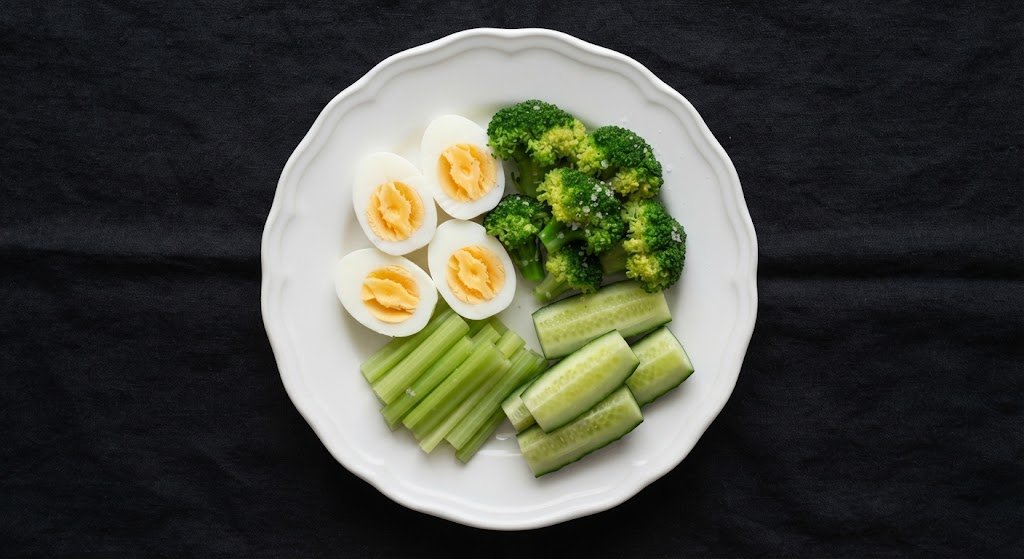
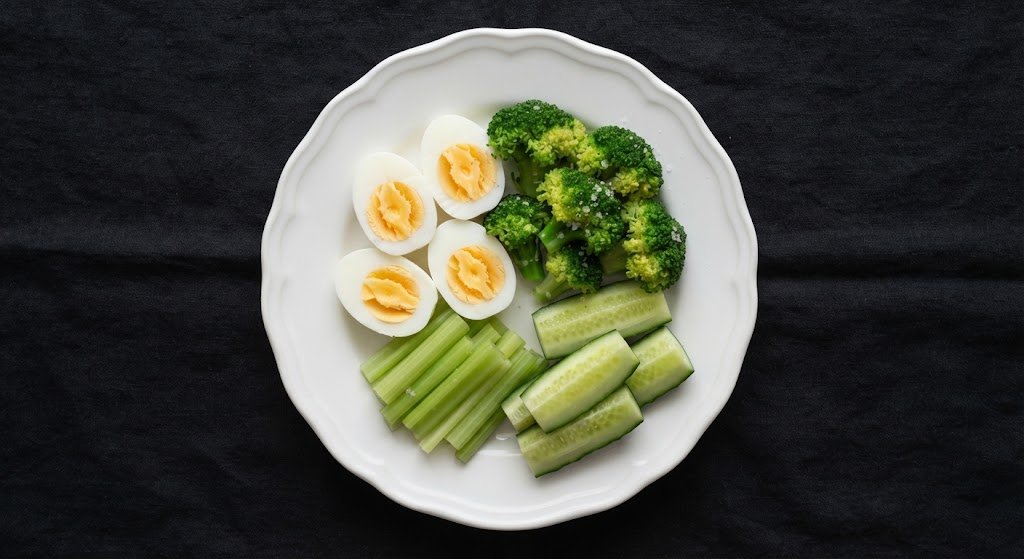
Not every good meal needs a sauce, a spice rack, or an hour of cooking. Sometimes the best plate is the simplest one: halved boiled eggs, bright green broccoli, cool cucumber, and tender steamed stalks, all arranged side by side. It looks clean, it tastes fresh, and it takes about twenty minutes.
Boiled eggs with steamed vegetables works as a light lunch, a quick dinner after a heavy day, or a make-ahead plate for busy weeks. This guide covers the recipe, the small techniques that make the eggs and vegetables taste their best, and some easy ways to adjust the plate to your own taste.
Why This Simple Plate Works
The appeal of this meal is in its contrasts. Eggs are rich and creamy, broccoli is tender with a slight bite, cucumber is cold and crisp, and steamed celery stalks are soft and mild. Nothing is fried or heavy, so the plate feels light without being boring.
It also checks a lot of practical boxes:
- Fast. Everything cooks in a single pot with a steamer basket.
- Budget-friendly. Eggs and seasonal vegetables are inexpensive.
- Flexible. You can change the vegetables or add a simple dressing.
- Easy to prepare ahead. Each part keeps well in the fridge.
Those qualities make it a good choice among light dinner ideas, especially on days when you don’t want to spend long in the kitchen.
Ingredients
For the plate
- 4 large eggs
- 1 large head of broccoli (about 250 g), cut into small florets
- 4 to 5 celery stalks, peeled if stringy and cut into 3-inch sticks
- 1 medium cucumber, cut lengthwise into thick wedges
- Pinch of salt for the cooking water
For the simple dressing
- 2 tablespoons extra-virgin olive oil
- 1 tablespoon lemon juice
- ¼ teaspoon salt
- Freshly ground black pepper
- Optional: a pinch of chili flakes, toasted sesame seeds, or chopped fresh herbs
Optional dipping sauce
- ¼ cup (60 g) plain yogurt
- 1 teaspoon lemon juice
- 1 small garlic clove, grated
- Pinch of salt
How to Boil Eggs Perfectly
Knowing how to boil eggs perfectly takes the guesswork out of the whole meal. The method below gives you set whites and golden yolks that are firm but still creamy.
Step 1: Start with a pot of boiling water
Fill a saucepan with enough water to cover the eggs by about an inch. Bring it to a rolling boil before adding the eggs. Starting in hot water helps the whites set evenly and makes peeling easier.
Step 2: Lower the eggs gently
Use a spoon to lower the eggs into the water so they don’t crack against the pot. Reduce the heat to a steady, gentle boil.
Step 3: Set a timer
- 8 minutes: soft, slightly jammy center
- 10 minutes: creamy but fully set yolk, similar to the plate in the photo
- 12 minutes: firm, pale yellow yolk
Step 4: Cool them quickly
Move the eggs straight into a bowl of ice water for 5 minutes. The cold stops the cooking, which prevents a gray-green ring around the yolk and loosens the shell.
Step 5: Peel and slice
Tap the egg on the counter, roll it gently, and peel under a trickle of cool water. Cut each one in half with a clean, sharp knife, wiping the blade between eggs for tidy yolks.
Steaming the Vegetables
Steaming keeps color, texture, and flavor better than boiling, because the vegetables never sit in water. A simple steamer basket over a pot is enough.
Broccoli
Bring about an inch of water to a boil in a pot, add a pinch of salt, and place the broccoli in the steamer basket. Cover and steam for 3 to 4 minutes, until the stems are just tender and the florets turn bright green. Check early, because overcooked broccoli turns dull and sulfurous.
Celery Stalks
Steam for 3 to 5 minutes, until they are tender but not limp. Peeling the outer strings first makes them pleasant to eat. Steamed celery has a soft, mild flavor that surprises people who only know it raw.
Cucumber
Leave the cucumber raw. Its cool crunch balances the warm vegetables and the creamy eggs. Cut it into thick wedges, and remove the seeds with a spoon if you prefer a firmer bite.
If you’d like to keep the vegetables bright for later, plunge the steamed pieces into ice water for 30 seconds, then drain them well.
Putting the Plate Together
Presentation matters when the ingredients are simple. Arrange the broccoli on one side, the celery sticks in a neat bundle, the cucumber wedges at the bottom, and the egg halves along the edge. Whisk the olive oil, lemon, salt, and pepper, and drizzle over the vegetables just before serving. Season the eggs with a pinch of salt and pepper.
For a quick dip, stir the yogurt sauce ingredients together and spoon it into a small bowl on the side.
Tips for the Best Results
Use eggs that aren’t too fresh. Eggs that have been in the fridge for a week or so peel more easily than very fresh ones.
Don’t overcook the eggs. A rubbery white and a dry, crumbly yolk usually mean the timer ran too long.
Salt the water. A little in the steaming pot adds a gentle seasoning to the vegetables.
Dry the vegetables. After steaming, let the pieces sit in a colander for a minute so the dressing clings and doesn’t get watered down.
Dress at the last minute. Lemon juice makes green vegetables fade, so add it just before eating.
Season thoughtfully. Flaky salt on the eggs and a squeeze of lemon on the broccoli do more than a heavy sauce.
Easy Variations
- Different vegetables: Try green beans, asparagus, zucchini, or carrots in place of celery.
- Extra protein: Add grilled chicken strips, tuna, or a spoonful of hummus.
- Spiced eggs: Sprinkle paprika, za’atar, or cumin on the halved eggs.
- Add a carbohydrate: Serve with brown rice, whole wheat toast, or boiled potatoes if you want a heartier meal.
- Asian-inspired: Drizzle with a little soy sauce, sesame oil, and sesame seeds.
- Egg-free option: Replace the eggs with roasted chickpeas or tofu cubes.
Anyone with an egg allergy or specific dietary needs should check ingredients carefully and, where necessary, speak to a healthcare professional.
Storage and Meal Prep
This makes a convenient high protein, low carb meal when you want something ready in the fridge.
- Boiled eggs: Keep them in their shells in the refrigerator for up to 7 days. Once peeled, store them in an airtight container and eat within 2 to 3 days.
- Steamed vegetables: Store in a sealed container for up to 3 to 4 days. Keep them dry and undressed.
- Cucumber: Store separately, since it releases water and softens.
- Food safety: Don’t leave cooked eggs at room temperature for more than 2 hours. Refrigerate leftovers promptly.
- Reheating: Warm the vegetables briefly in a microwave or steamer. Eat eggs cold or let them come to room temperature, rather than reheating them whole in the microwave, because they can burst.
Conclusion
Boiled eggs with steamed vegetables proves that a good meal doesn’t need to be complicated. With accurate timing for the eggs, gentle steaming for the vegetables, and a bright lemon and olive oil dressing, you get a clean, colorful plate that is quick to make and easy to repeat.
Keep the method in mind, then change the vegetables and seasoning to suit your week. It is a reliable plate to have in your rotation when you want something light and satisfying.
FAQ
1. How long should I boil eggs for a creamy yolk?
About 10 minutes in gently boiling water gives a fully set but creamy yolk. For a softer, jammy center, cook for 8 minutes. Always cool them in ice water afterward to stop the cooking.
2. How do I peel boiled eggs without tearing the whites?
Chill them in ice water for at least 5 minutes, crack the shell all over, and peel under cool running water. Eggs that are a few days old tend to peel more easily than very fresh ones.
3. How long does steamed broccoli take?
Usually 3 to 4 minutes for small florets. They should be bright green and just tender when pierced with a fork. Longer steaming makes them soft and lowers their flavor.
4. Can I eat steamed celery?
Yes. Steamed celery is soft and mild, and it works well with eggs and other vegetables. Peeling the outer strings first improves the texture.
5. How long can I keep boiled eggs in the fridge?
Unpeeled hard-boiled eggs keep for up to 7 days in the refrigerator. Peeled eggs are best eaten within 2 to 3 days, stored in an airtight container.